
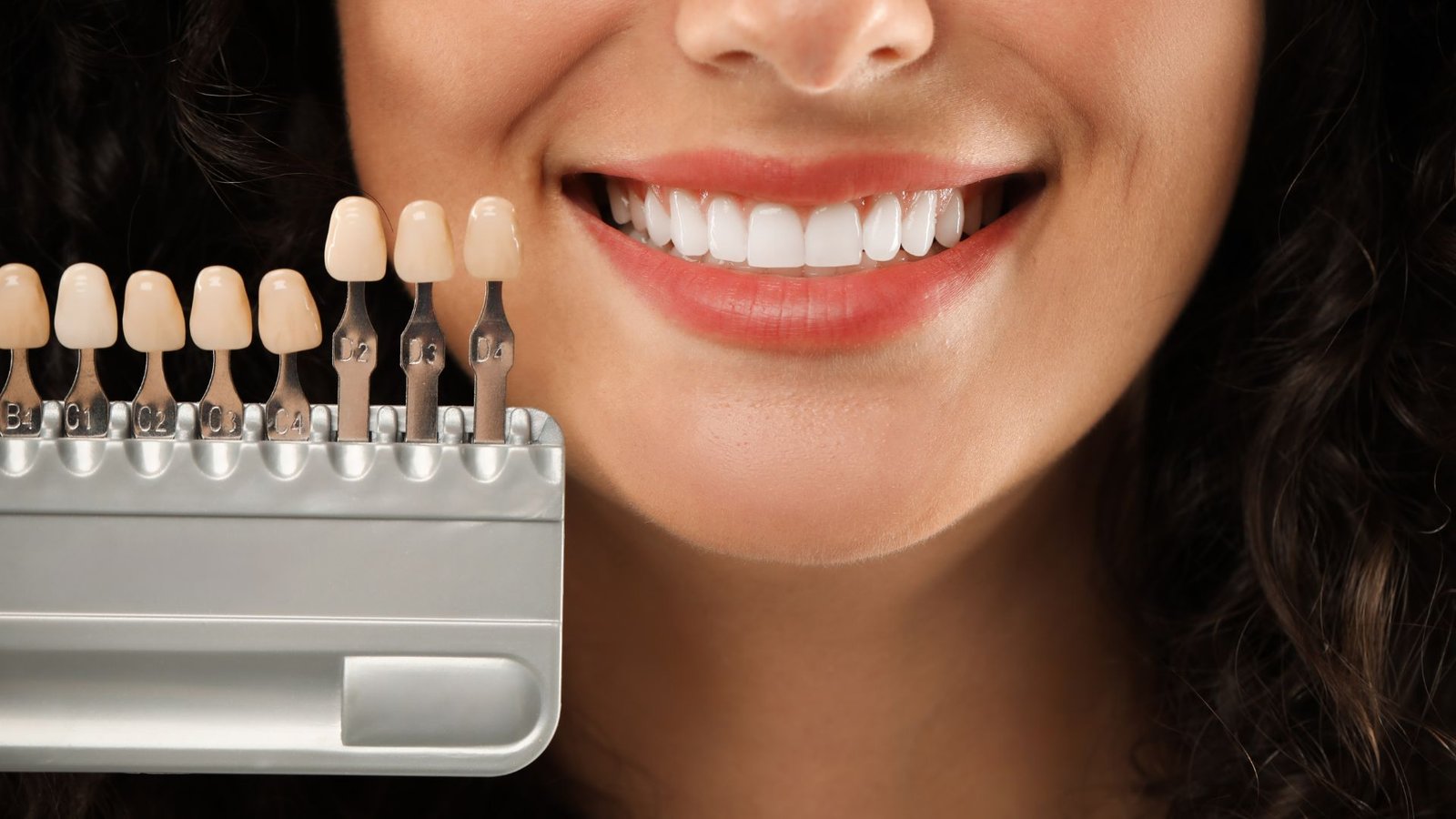
Porcelain Veneers in Ladson, SC
Thin porcelain shells bonded to the front of your teeth. They change shape, colour and apparent alignment in one treatment.
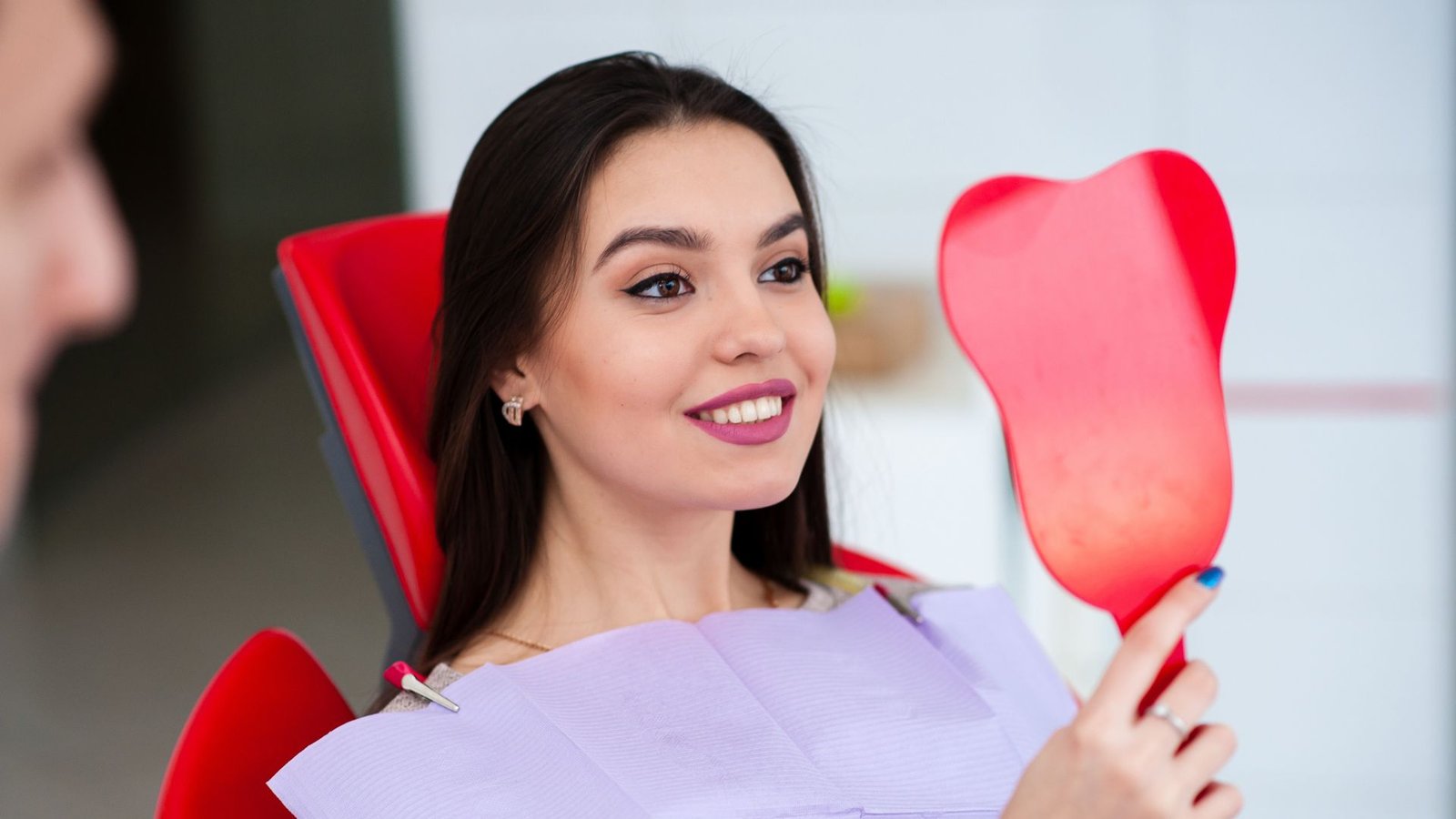
What they are
A new front surface, not a new tooth
A veneer is a thin layer of dental porcelain bonded to the visible front of a tooth. Because it covers the surface rather than encasing the whole tooth, it removes far less tooth structure than a crown while still changing the shape, length, colour and apparent position.
Porcelain is used because it handles light the way enamel does. It has depth and slight translucency rather than looking flat, which is what separates a good veneer from an obvious one. It also resists staining better than composite over the long term.
Veneers suit teeth that are structurally sound but cosmetically compromised: permanently discoloured, chipped, worn, slightly gapped, or uneven in shape. They are not the right answer for badly decayed or heavily filled teeth, which usually need crowns instead.
The process
Two to three visits over a few weeks
Consultation and design
We discuss what you want changed, photograph and examine your teeth, and agree the shape, length and shade before anything is prepared.
Preparation
A small amount of enamel is removed from the front surface, typically under a millimetre, to make room. Impressions or a digital scan go to the lab.
Temporaries
You wear temporary veneers while the permanent ones are made. This is also your chance to live with the proposed shape and tell us if something needs adjusting.
Bonding
The finished veneers are tried in, checked for fit, colour and bite, then permanently bonded.
Suitability
Veneers work well when
- Your teeth are healthy and structurally sound underneath
- Discolouration has not responded to whitening, such as tetracycline staining
- Front teeth are chipped, worn short, or uneven in shape
- There are small gaps you would rather close cosmetically than orthodontically
- Alignment is mildly off, but not enough to require Invisalign
- You are not a heavy grinder, or you are willing to wear a night guard to protect them
If you grind your teeth, that must be addressed first. Porcelain is strong but it is not indestructible against sustained clenching.
Design
What separates natural veneers from obvious ones
Veneers look fake for reasons that are predictable and avoidable, and almost all of them are decisions made before anything is bonded.
Shade chosen in isolation. A shade that looks right on a tab looks wrong against your skin tone and the whites of your eyes. Teeth also darken naturally with age, so a shade appropriate at twenty-five reads as artificial at sixty. Uniformity. Natural teeth are not identical. Central incisors are slightly longer than laterals, edges vary, and there is subtle shade variation across the arch. A set that is perfectly matched and perfectly level is the single most recognisable sign of veneers. Length relative to the lip. Teeth that show too much at rest, or that follow a curve at odds with the lower lip when you smile, look added rather than grown. Opacity. Enamel is translucent at the biting edge. Porcelain that is uniformly opaque reads as flat and slightly chalky, particularly in photographs.Why temporaries matter
You wear temporary veneers between preparation and fitting, and that stage is not just protective. It is your opportunity to live with the proposed shape and length for a fortnight and say what you want changed while changing it is still straightforward. Use it.
Common questions
Questions we hear most
How long do veneers last?
With good care, commonly ten to fifteen years, and often longer. Longevity depends heavily on whether you grind, how well you maintain your gums, and whether you use your front teeth as tools. Grinders should wear a night guard.
Is the procedure reversible?
No. Because a thin layer of enamel is removed to make room, the tooth will always need a veneer or crown covering it afterwards. This is why we make sure veneers are the right choice before starting, rather than the first thing suggested.
Do veneers stain?
Porcelain resists staining better than natural enamel or composite. The bonding margin at the gumline can pick up stain over many years, and the natural teeth around them can darken while the veneers do not, which is one reason whitening is done first.
Will they look too white?
Only if the shade is chosen badly. We select shade against your skin tone, the whites of your eyes and your age, and slight variation between teeth is built in deliberately. You approve the shade before the veneers are made.
How many will I need?
It depends on how far your smile shows when you talk and laugh. Some patients need only the front four to six, others eight or ten for the result to look even. Doing too few is a common cause of a mismatched appearance.
Veneers or bonding?
Bonding is cheaper, done in one visit and reversible, but it stains over time and lasts a few years. Veneers cost more, take longer, and are irreversible, but they look better for longer. For one small chip, bonding usually makes more sense. See tooth bonding.
Ready when you are
Book a cosmetic consultation
Bring a photo of a smile you like. It tells us more than a description ever does.