
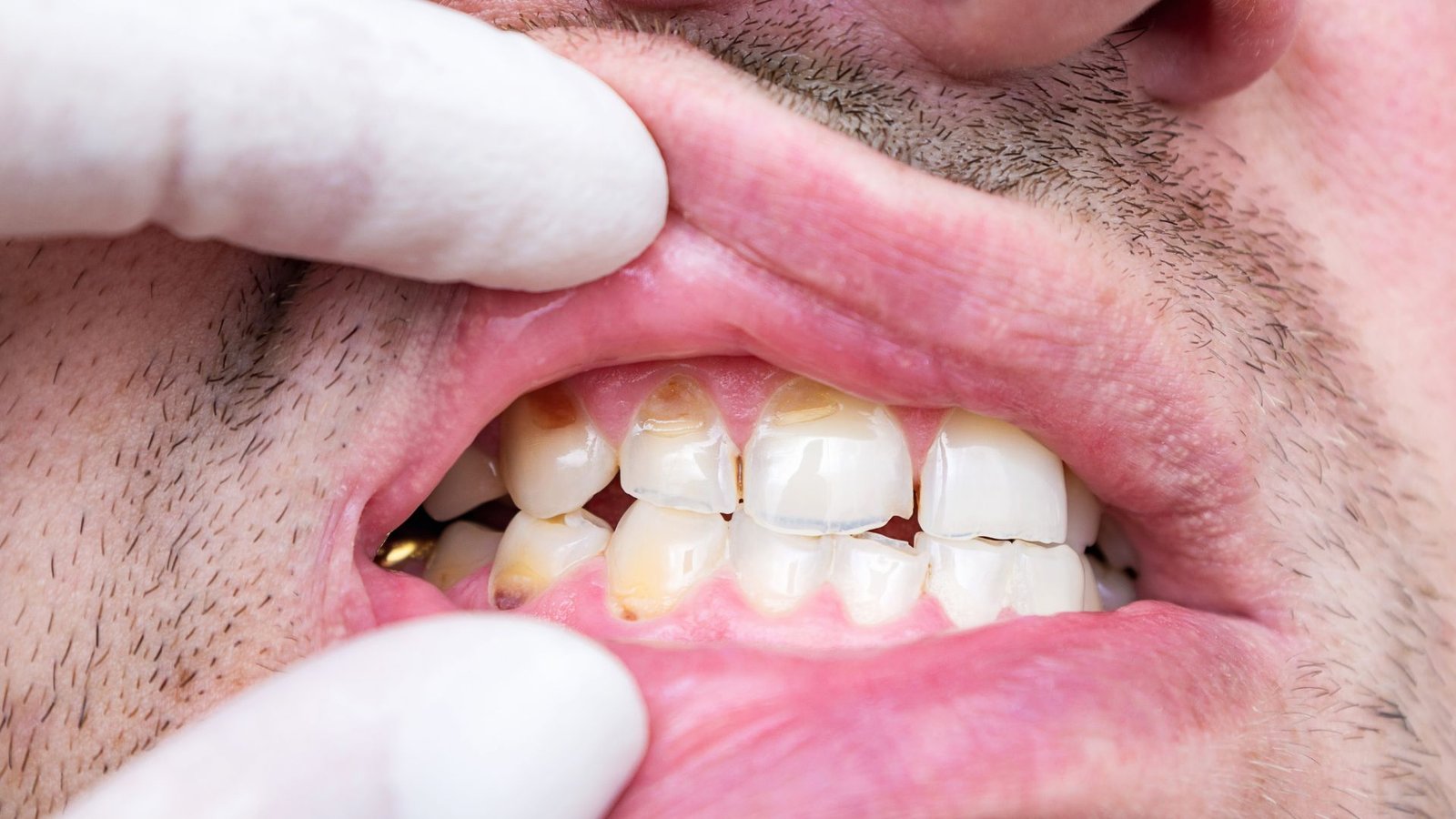
Cracked Tooth Treatment in Ladson, SC
Cracked teeth are notoriously hard to diagnose. They frequently look normal on an x-ray and normal to the eye.
The tell
Pain when you release the bite, not when you press
The characteristic symptom of a cracked tooth is a sharp pain that hits as you release pressure rather than as you apply it. When you bite down the crack opens slightly; when you release, the segments snap back together and the fluid movement stimulates the nerve inside.
This is diagnostically valuable because it is unusual. Most other dental problems hurt on pressure, on temperature, or spontaneously. Pain specifically on release points strongly toward a crack.
Cracks are difficult to see. They frequently do not appear on x-rays, because a crack running through the tooth in the same plane as the beam is essentially invisible. Diagnosis often relies on bite testing individual cusps, transillumination and dye, which is why it can take a careful examination rather than a quick look.
Symptoms
What patients typically report
- Sharp pain on releasing a bite, often on one specific spot
- Pain that comes and goes rather than being constant
- Sensitivity to cold, and sometimes to sweet things
- Difficulty pinpointing which tooth is responsible
- Symptoms that have been dismissed or missed at previous visits
- A history of grinding, or a large existing filling in the tooth
How cracks progress
Why a small crack does not stay small
A crack in a tooth behaves differently from a crack in most materials, because a tooth is loaded thousands of times a day. Every bite flexes the segments apart fractionally and lets them spring back. That repeated movement drives the crack deeper, which is why cracked teeth almost always get worse rather than settling.
The clinical picture changes as it deepens. A crack confined to enamel causes little or nothing. Once it reaches dentine, you get the characteristic sharp pain on releasing a bite, and often cold sensitivity. If it reaches the pulp, the tooth becomes persistently painful and needs root canal therapy before it can be restored. If it runs vertically down the root, the tooth is usually not salvageable and needs extraction.
Why timing changes the treatment
This progression is the whole reason we push for early evaluation. The same crack caught in three different months can mean a crown, a root canal plus a crown, or an extraction and an implant. Nothing about the pain reliably tells you which stage you are at, which is why intermittent symptoms are worth investigating rather than waiting out.
Common questions
Questions we hear most
Why can nobody find my cracked tooth?
Because cracks often do not show on x-rays and may be invisible to the eye. Diagnosis relies on reproducing the symptom, usually by having you bite on a small device against individual cusps until one triggers the pain. It takes patience rather than technology.
Can a cracked tooth heal?
No. Unlike bone, tooth structure does not repair itself. A crack does not close up, and left untreated it typically propagates deeper under repeated chewing force until it reaches the nerve or splits the tooth.
How is a cracked tooth treated?
It depends on the depth. A crack confined to enamel may need only monitoring or bonding. A crack into dentine usually needs a crown to hold the tooth together and stop it propagating. If it has reached the pulp, root canal therapy is needed first. A crack running vertically down the root generally means extraction.
What causes teeth to crack?
Grinding and clenching, biting something unexpectedly hard, large existing fillings that weaken the walls, extreme temperature changes, and simple age-related fatigue of the tooth structure. If you grind, a night guard is the main preventive measure.
Is it urgent?
It should be seen promptly. Cracks tend to propagate, and the treatment needed escalates significantly as they deepen. A crack caught early may need a crown; the same crack six months later may need a root canal or extraction.
Will a crown definitely fix it?
A crown holds the tooth together and stops the segments flexing, which resolves the pain in most cases. If the crack has already reached the pulp, a root canal will be needed as well. Occasionally symptoms persist and the crack proves deeper than it appeared, which we would discuss honestly.
Do not wait it out
In pain today? Call us now
We keep time open for same-day emergency appointments, for new and existing patients.