
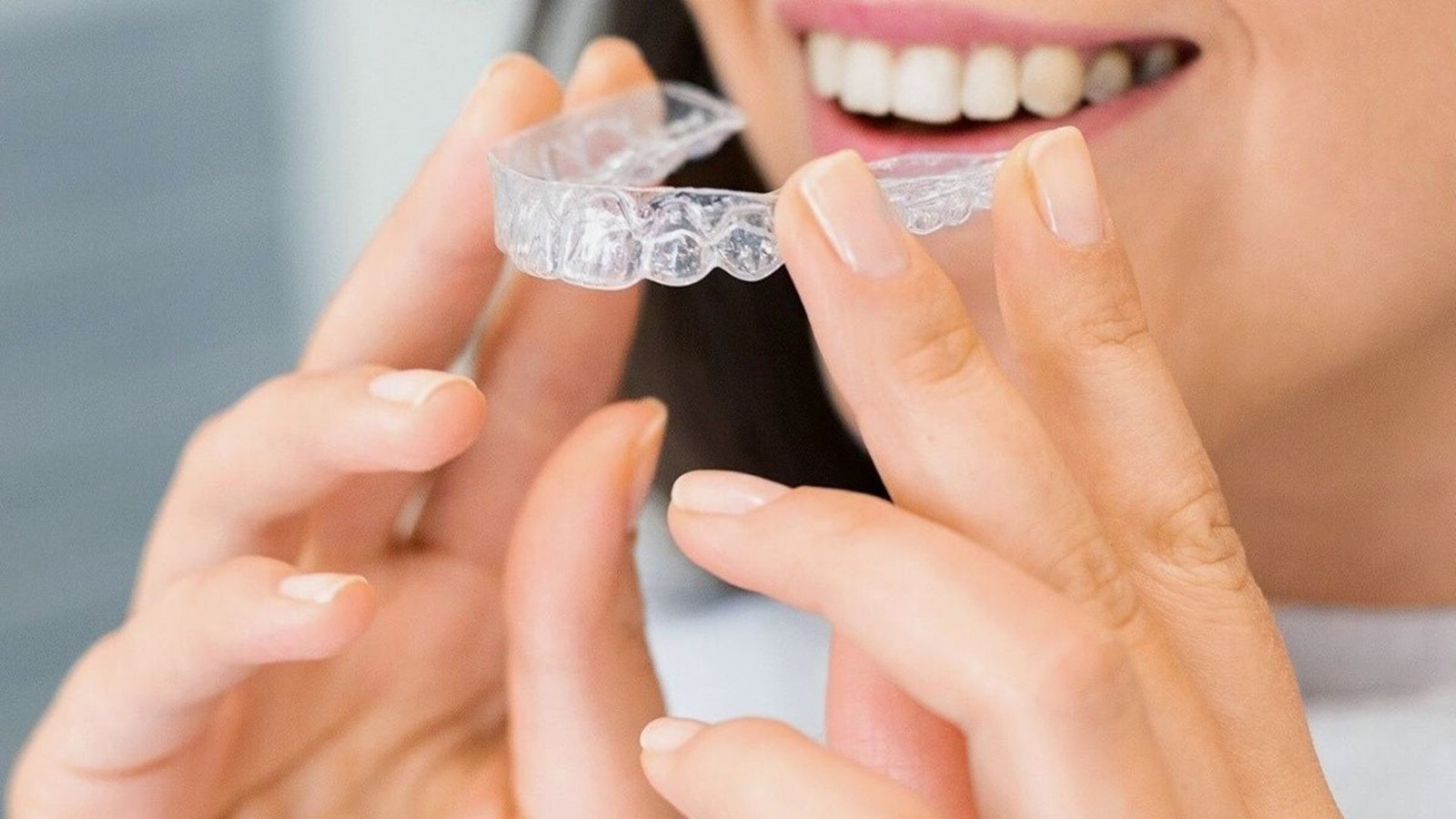
Invisalign in Ladson, SC
Clear aligners that straighten your teeth without announcing it to everyone you meet. New patients get $500 off.
How it works
A series of trays, each slightly different
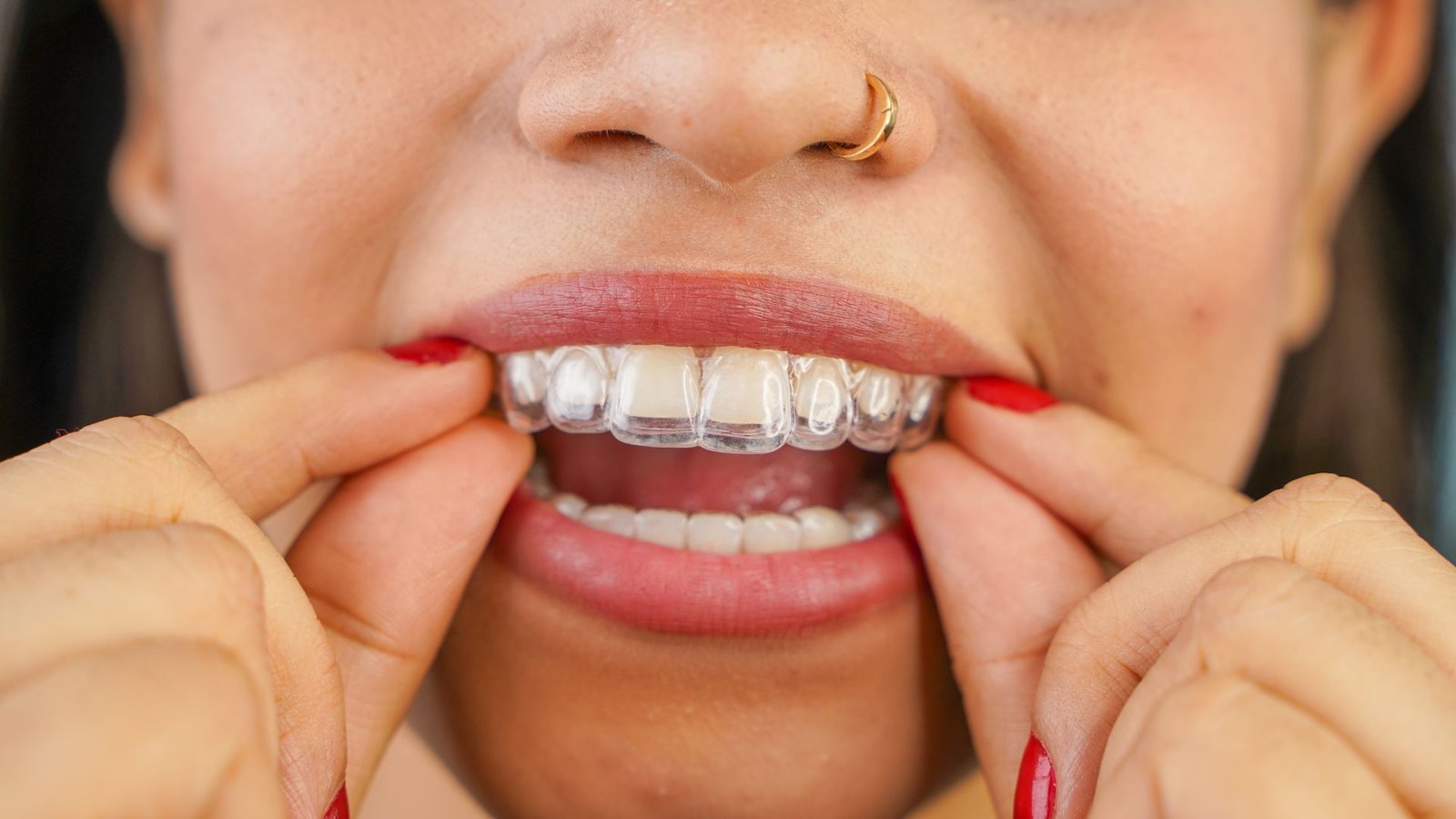
Invisalign moves teeth using a sequence of clear plastic aligners, each one shaped very slightly differently from the last. You wear each set for one to two weeks, and the cumulative difference across the series is what produces the final position.
The whole sequence is planned digitally before the first aligner is made, from a scan of your teeth. That means the end result is designed at the outset rather than adjusted month to month, and you can see the projected outcome before committing.
The aligners are removable, which is the practical difference from braces. You take them out to eat and to brush, which means no food restrictions and far easier cleaning. It also means the treatment depends on you actually wearing them, roughly 20 to 22 hours a day.
What it treats
Problems Invisalign handles well
Crowding
Teeth overlapping because there is not enough room in the arch.
Gaps
Spacing between teeth, whether from tooth size or a missing tooth.
Crossbite
Upper teeth sitting inside the lower teeth when you bite together.
Overbite
Upper front teeth covering too much of the lower ones.
Underbite
Lower teeth sitting ahead of the upper teeth.
Relapse
Teeth that have shifted back years after previous orthodontic work.
Honest requirements
Invisalign works if you do
- Aligners must be worn 20 to 22 hours per day, taken out only to eat and clean
- You change to the next set on schedule, usually every one to two weeks
- You attend periodic checks so progress can be verified against the plan
- You brush before putting aligners back in, since trapped sugar sits against the enamel
- You wear retainers afterwards, because teeth drift back without them
- Complex bite problems may still need conventional braces, and we will say so if that applies
Poor wear time is the main reason Invisalign treatment runs long. The trays only work while they are in your mouth.
Beyond appearance
Straight teeth are easier to keep
Orthodontic treatment gets discussed as cosmetic, and for many people that is the motivation. The functional case is less often made and matters more over a lifetime.
Crowded and overlapping teeth create spaces a brush cannot reach and floss cannot pass cleanly. Those are exactly the sites where decay starts and where gum inflammation persists, because they cannot be properly cleaned regardless of how diligent you are. Straightening them removes the trap rather than treating its consequences repeatedly.
Bite problems distribute chewing force unevenly. Teeth taking more load than they were designed for wear faster, chip, and fracture. A deep overbite can wear the lower front teeth down significantly over decades. A crossbite loads individual teeth sideways, which is the direction they tolerate least.
Relapse after previous treatment
A significant share of adult Invisalign patients had braces as teenagers and stopped wearing retainers. Teeth drift back toward their original positions over years, and it is gradual enough that people do not notice until they see an old photograph. Re-treatment in these cases is often shorter and less involved than the original, because the teeth have moved before.
Common questions
Questions we hear most
How long does treatment take?
Most cases run somewhere between six and eighteen months, depending on how much movement is needed and how consistently the aligners are worn. Dr. Mathew will give you an estimated timeline from the digital plan before you start.
Does Invisalign hurt?
There is pressure and mild soreness for a day or two after each new set, which is the sensation of the teeth moving. It is generally described as less uncomfortable than braces, partly because there are no brackets or wires to irritate the cheeks.
How much does it cost?
Invisalign commonly runs between roughly $3,000 and $7,000 depending on complexity. New patients at this practice get $500 off, and retainers are included afterwards. Financing is available through CareCredit.
Can people tell I am wearing them?
They are clear and fitted closely to the teeth, so they are far less noticeable than braces, but they are not completely invisible at conversational distance. Small tooth-coloured attachments are sometimes bonded to teeth to help specific movements, and those can be faintly visible.
What happens if I lose an aligner?
Call us. Depending on where you are in the sequence, we will usually have you move to the next set early or go back to the previous one while a replacement is ordered. Do not simply leave them out, because teeth begin drifting back within days.
Will I need retainers afterwards?
Yes, permanently in some form. Teeth have a strong tendency to return toward their original position, and retainers are the only thing that prevents it. Retainers are included in your treatment here. This applies to any orthodontic treatment, not just Invisalign.
Ready when you are
Book a cosmetic consultation
Bring a photo of a smile you like. It tells us more than a description ever does.