
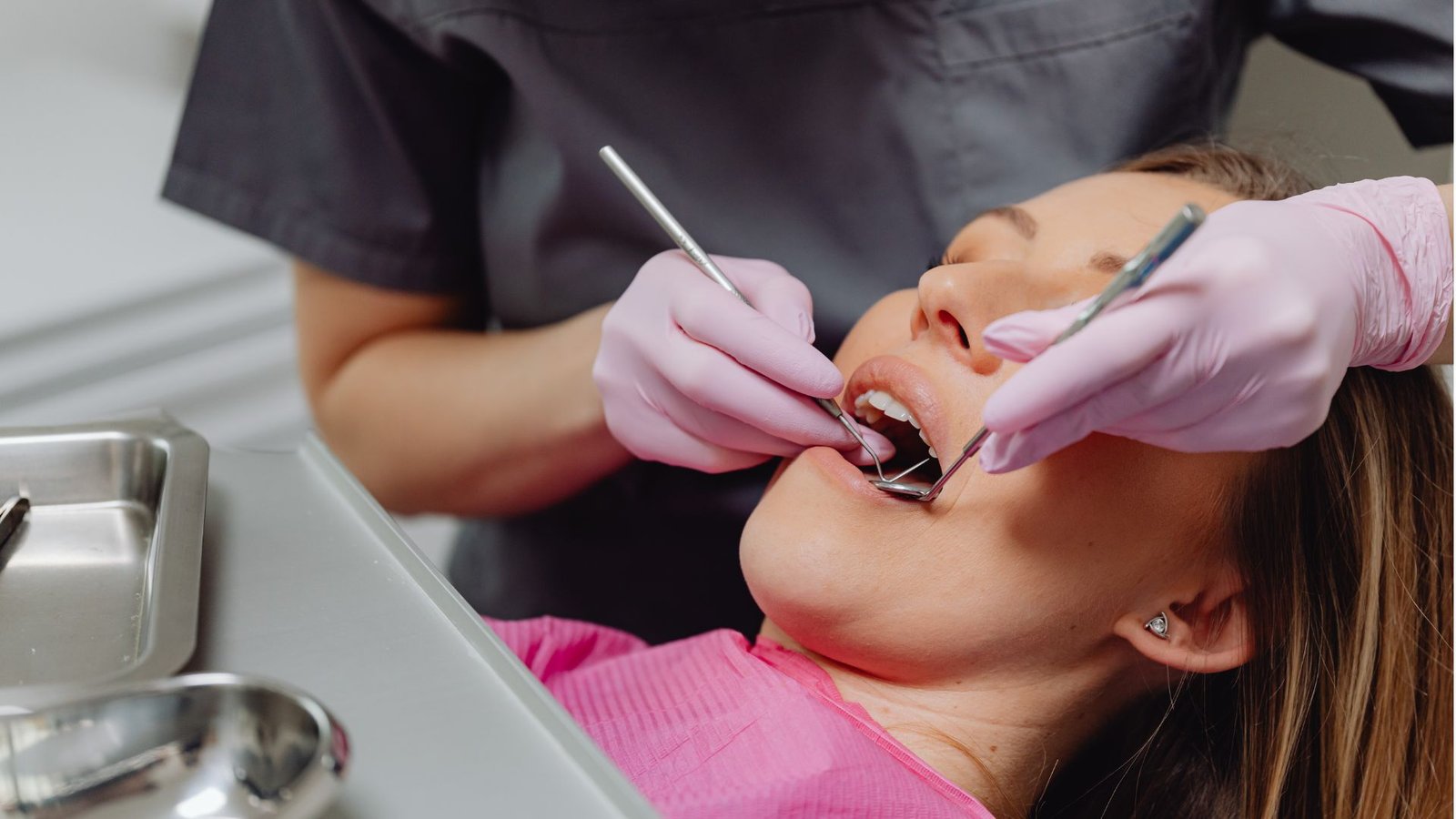
Deep Teeth Cleaning in Ladson, SC
Scaling and root planing treats gum disease that has moved below the gumline, where a regular cleaning cannot reach.
When it is needed
Why a regular cleaning is not enough
Healthy gum attaches tightly to the tooth. When bacteria are left along the gumline long enough, the tissue detaches and forms a pocket. Once that pocket is deeper than about four millimetres, a toothbrush and a routine cleaning can no longer reach the bottom of it.
Bacteria then colonise the root surface below the gumline, and the body responds by breaking down the bone that holds the tooth in place. This is periodontitis, and it is the leading cause of tooth loss in adults. It is usually painless until it is advanced, which is why it goes unnoticed.
Scaling and root planing cleans the root surface below the gum and smooths it so the tissue can reattach. Done in time, it halts the process. It cannot rebuild bone that has already been lost, which is why timing matters.
The treatment
How scaling and root planing works
Measuring
We chart pocket depths around every tooth. This tells us exactly where disease is active and gives a baseline to measure against later.
Numbing
The area is numbed. Deep cleaning reaches below the gumline, so local anaesthetic keeps it comfortable.
Scaling and planing
Instruments remove tartar and bacterial deposits from the root surface, then smooth the root so tissue can reattach and bacteria have less to grip.
Re-evaluation
We recheck pocket depths several weeks later. Most pockets shrink. Any that have not are addressed then.
Signs you may need this
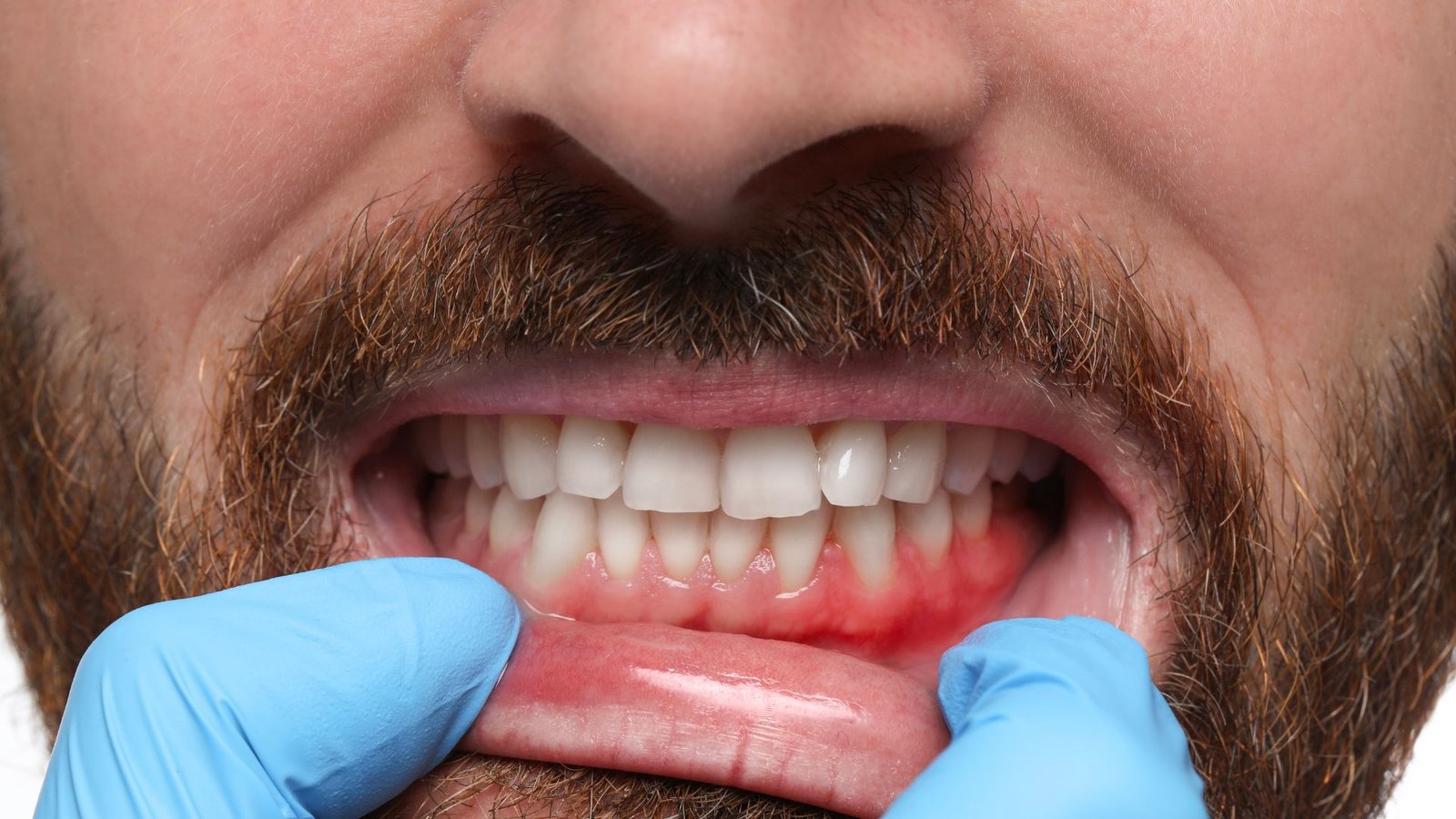
What gum disease actually looks like
- Gums that bleed when you brush or floss
- Persistent bad breath that does not respond to brushing or mouthwash
- Gums that look red, swollen or tender rather than firm and pink
- Teeth that appear longer, because the gum has receded
- A tooth that feels slightly loose or has shifted position
- Pus or a bad taste around the gumline
- Being told at a previous visit that you have "pockets" or "deep pockets"
Gum disease is usually painless until late. If any of this sounds familiar, call (843) 970-3799.
What to expect after
The fortnight following scaling and root planing
Deep cleaning has a recovery period that a routine cleaning does not, and knowing what is normal prevents a lot of unnecessary worry.
Days one to three. Gums are tender, particularly where pockets were deepest. Over-the-counter pain relief is usually sufficient. Some bleeding when brushing is expected and is not a reason to stop brushing, though be gentle. Week one to two. Teeth often become sensitive to cold. This catches people out because it can be worse than before treatment. The explanation is straightforward: inflamed gum tissue was covering exposed root surface, and as the swelling reduces that surface is briefly less protected. A desensitising toothpaste helps and the sensitivity settles. Teeth may feel different. Removing substantial deposits changes how teeth contact each other and can make small gaps apparent that tartar was filling. This is the state your teeth were actually in, now visible.The re-evaluation appointment
We remeasure pocket depths several weeks later. This is not a formality. It tells us which sites responded and which did not, and it is the point at which any remaining problem areas get addressed rather than assumed resolved. Skipping it means nobody knows whether the treatment worked.
Common questions
Questions we hear most
Does a deep cleaning hurt?
The procedure itself should not, because the area is numbed first. Afterwards the gums are typically tender for a few days and teeth can be sensitive to cold for a couple of weeks as the tissue tightens. Over-the-counter pain relief is usually sufficient.
How many visits does it take?
Commonly two, treating one half of the mouth at a time. That keeps each appointment manageable and means you are never numb across your whole mouth at once. Severe cases can take more.
Will my gums grow back?
Gum tissue can tighten and reattach, and pockets typically get shallower. Bone that has already been lost does not regrow on its own. This is why treating early matters, the goal is to stop further loss.
What happens if I do not treat it?
Periodontitis is progressive. Pockets deepen, more bone is lost, teeth loosen and eventually are lost or need extraction. It has also been associated with cardiovascular disease and poorer blood sugar control in diabetics.
Will I need this every six months?
No. Scaling and root planing is a treatment, not a routine. Afterwards most patients move to periodontal maintenance cleanings, usually every three to four months, which keeps the pockets stable.
Is it covered by insurance?
Most plans cover scaling and root planing when pocket depths and x-rays document the need, though coverage levels vary and some plans have waiting periods. We will verify your benefits and give you the figure before we begin.
Ready when you are
Schedule your visit in Ladson
New patients are welcome, and dental emergencies are seen the same day.