
Tooth Extractions in Ladson, SC
We would rather save a tooth than remove one. When that is not possible, the extraction should be straightforward and the plan for replacing it should exist before you leave.
When extraction is right
Removing a tooth is a last resort, not a first one
A natural tooth is almost always worth saving if it can be. Root canals, crowns and gum treatment exist precisely so that teeth can be kept rather than replaced. Dr. Mathew will tell you when a tooth is restorable and when it genuinely is not.
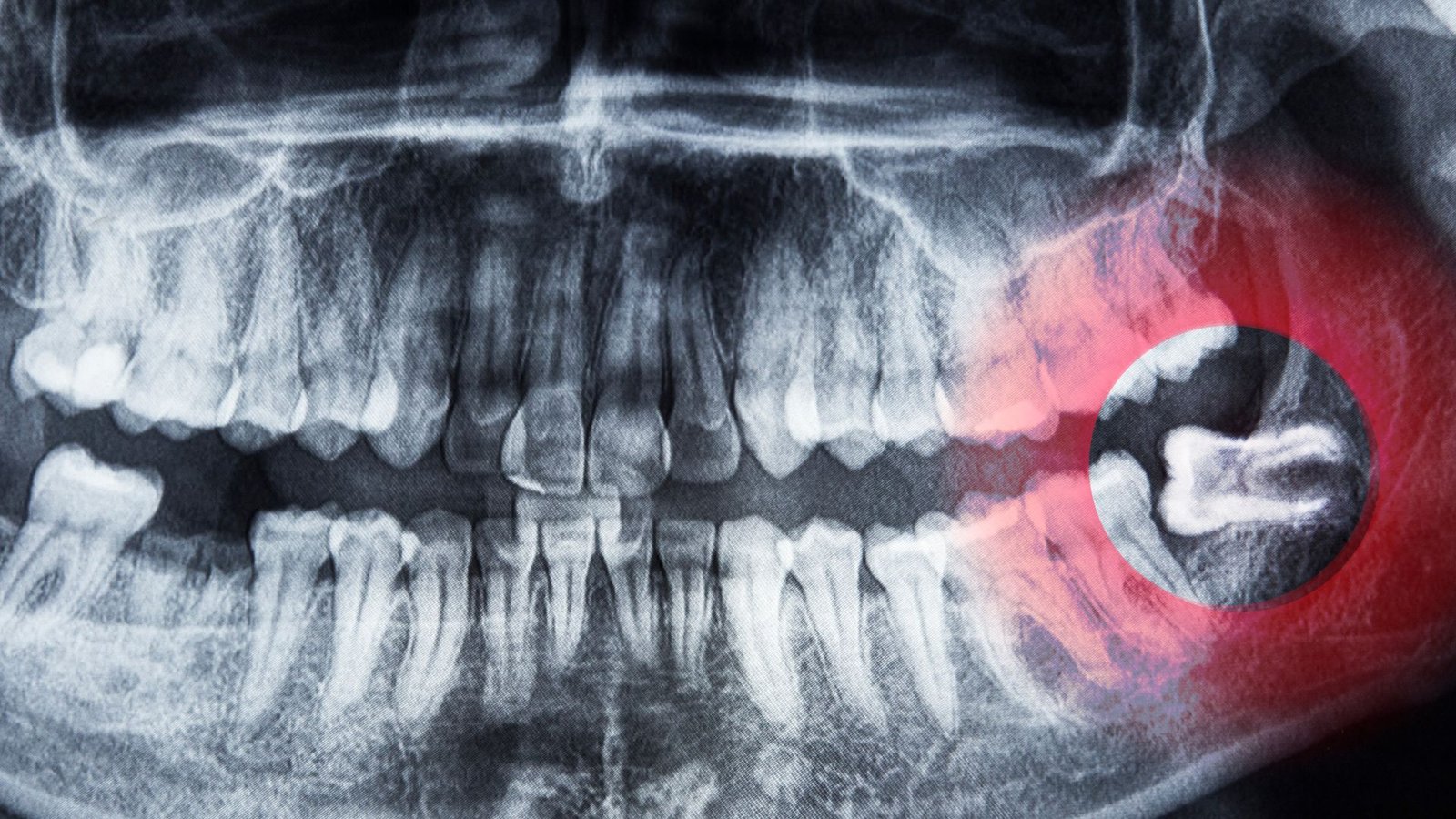
Extraction becomes appropriate when a tooth is fractured below the gumline or split vertically through the root, when decay has destroyed too much structure to restore, when advanced gum disease has removed the bone supporting it, or when an impacted wisdom tooth is causing problems.
Equally important is what happens next. Leaving a gap allows neighbouring teeth to drift and the bone to resorb, so the conversation about replacement should happen at the same time as the extraction, not a year later.
Aftercare
The first 24 hours matter most
A blood clot forms in the socket and protects the bone underneath. Protecting that clot is the whole objective.
Bite on gauze
Firm pressure for 30 to 45 minutes to let a clot form. Replace it if bleeding continues.
Do not disturb the clot
No rinsing, spitting, straws or smoking for at least 24 hours. Dislodging the clot causes dry socket, which is very painful.
Manage swelling
A cold compress on the outside of the cheek, twenty minutes on and off, for the first day.
Eat softly
Cool, soft foods for the first day. Keep the area clean with gentle salt water rinses starting the day after, not the same day.
Afterwards
Replacing the tooth
Dental implant
A titanium post replacing the root, then a crown. Preserves bone. Bundled at $3,350.
Learn moreDental bridge
A fixed replacement anchored to the teeth either side. Faster than an implant.
Learn morePartial denture
Removable replacement, particularly where several teeth are missing.
Learn more
Before we get there
What we try first
Extraction is the one dental treatment that cannot be undone, so it is worth being clear about what gets considered before it.
A tooth with extensive decay can often be saved with root canal therapy and a crown, provided enough sound structure remains above the bone to hold a restoration. A tooth loosened by gum disease can sometimes be stabilised if the bone loss is caught early enough. A fractured tooth depends entirely on where the fracture runs.
The cases where extraction genuinely is the right answer are reasonably clear: a root split vertically, decay extending well below the bone level, advanced bone loss leaving the tooth mobile, or an impacted wisdom tooth causing recurrent problems.
The conversation about replacement
This should happen at the same appointment, not a year later. Once a back tooth is gone, the teeth either side begin drifting into the space and the opposing tooth over-erupts because nothing stops it. Bone in that area resorbs. All of that makes later replacement more complex and sometimes requires grafting that would not have been needed if it had been planned from the start.
Common questions
Questions we hear most
Does having a tooth pulled hurt?
The extraction itself should not, because the area is thoroughly numbed. You will feel pressure and movement, which is normal and not the same as pain. Afterwards there is soreness for a few days, usually manageable with over-the-counter pain relief. Sedation is available if you are anxious.
How long does recovery take?
Most people feel substantially better within three to four days, and soft tissue closes over in one to two weeks. Bone remodelling underneath continues for several months, which is relevant if an implant is planned.
What is dry socket?
It occurs when the blood clot protecting the socket is dislodged or dissolves too early, exposing bone. It causes severe pain, typically starting two to four days afterwards, often radiating to the ear. It is treatable, so call us rather than enduring it. Smoking and using straws are the main causes.
Do I have to replace the tooth?
For back teeth it is strongly advisable, because neighbouring teeth drift, the opposing tooth over-erupts, and bone resorbs where the root used to be. Wisdom teeth are the exception and are not replaced. We will discuss whether replacement is warranted in your case.
Can I go back to work afterwards?
For a simple extraction, many people do, though taking the rest of the day is more comfortable. For a surgical extraction, plan on a day or two of reduced activity, and avoid heavy lifting or exercise for several days as it can restart bleeding.
How much does an extraction cost?
It varies between a simple extraction and a surgical one requiring sectioning of the tooth. Most insurance plans cover extractions at a percentage. We will assess, explain which type is needed, and give you the cost before proceeding.
Do not wait it out
In pain today? Call us now
We keep time open for same-day emergency appointments, for new and existing patients.