
Gum Disease Treatment in Ladson, SC
The leading cause of tooth loss in adults, and it rarely hurts until it is advanced. Caught early, it is reversible.
Two stages
Gingivitis and periodontitis are not the same thing
Gingivitis: reversible
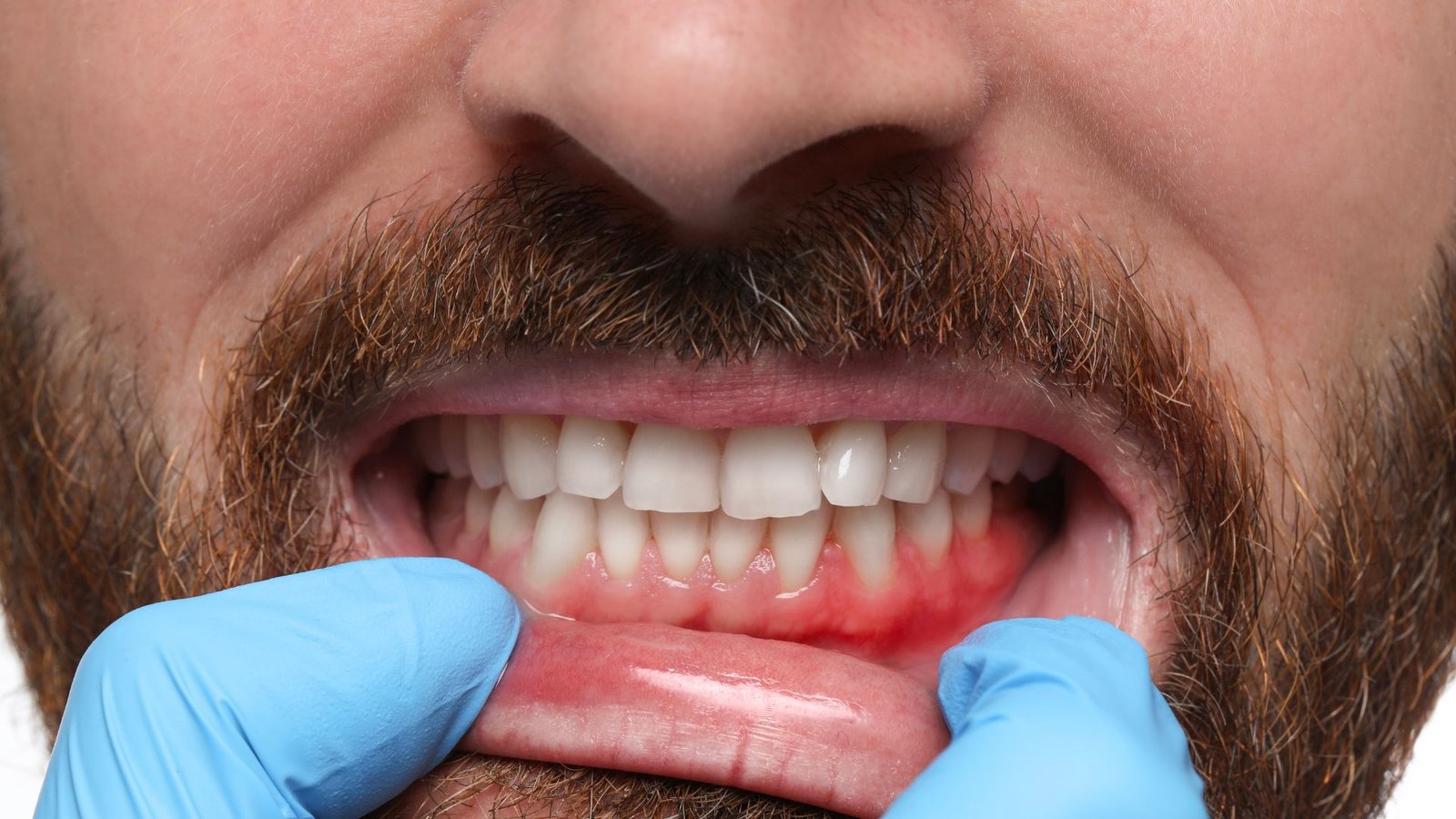
The first stage is inflammation of the gum tissue caused by plaque along the gumline. Gums look red or puffy and bleed when brushed. No permanent damage has occurred yet. With a professional cleaning and consistent home care, gingivitis fully resolves, often within a couple of weeks.
Periodontitis: manageable, not reversible
If inflammation continues, the gum detaches from the tooth and forms a pocket. Bacteria colonise the root surface, and the body begins breaking down the bone anchoring the tooth. Bone loss is permanent. Treatment can stop the process and stabilise things, but it cannot restore what has gone.
The distinction matters because the window between the two is where treatment is simplest, cheapest and most effective. Bleeding gums are not something to monitor. They are the signal to act.
Treatment
What we do about it
For gingivitis, a professional cleaning plus improved home technique is usually enough. We will show you specifically where you are missing, which is more useful than general advice to floss more.
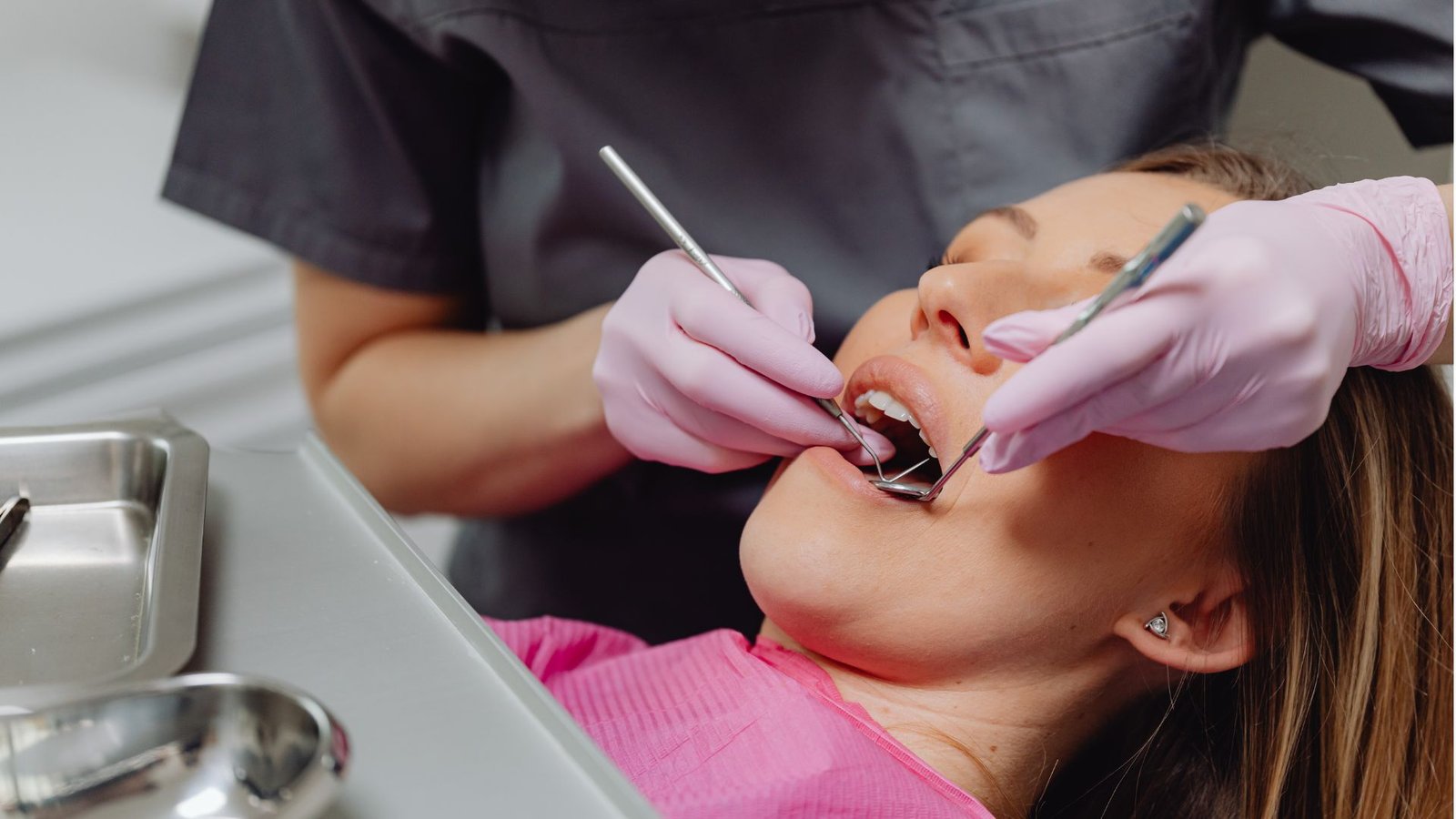
For periodontitis, treatment starts with scaling and root planing, cleaning the root surfaces below the gumline under local anaesthetic. Pocket depths are remeasured a few weeks later to confirm the response.
After active treatment, most patients move to periodontal maintenance every three to four months rather than the usual six. Gum disease is a chronic condition, and the interval is what keeps it stable.
Risk factors
What makes gum disease more likely
- Smoking or tobacco use, which is the single strongest risk factor and also masks bleeding
- Diabetes, which both raises risk and is made harder to control by active gum disease
- Genetics, since susceptibility runs in families independent of hygiene
- Hormonal changes during pregnancy or menopause
- Certain medications that reduce saliva flow
- Grinding and clenching, which adds mechanical stress to already compromised support
- Long gaps between dental visits, which is how pockets form unnoticed
The mechanism
Why bone loss is the part that does not come back
Gum disease is not really a disease of the gums. The gums are where it is visible; the bone is where the damage that matters happens.
Bacteria along the gumline provoke an inflammatory response. In gingivitis that response is confined to soft tissue, which is why it is fully reversible. If the bacteria persist, the inflammation extends deeper, the gum detaches from the tooth and forms a pocket, and the body begins resorbing the bone around the root. That last step is the irreversible one.
The uncomfortable part is that this is largely the body's own response rather than the bacteria directly. It is why susceptibility varies so much between people with similar hygiene, and why gum disease runs in families independently of how well anyone brushes.
What treatment actually achieves
Removing the bacterial deposits below the gumline stops the stimulus, and the inflammation settles. Pockets get shallower as tissue tightens and reattaches. What does not happen is bone regrowth. Treatment halts the process at whatever stage it has reached, which is why the same treatment produces a very different long-term outcome depending on when it starts.
Why maintenance is more frequent afterwards
Periodontal maintenance every three to four months exists because the bacteria repopulate pockets faster than they form on a healthy gumline. Six-monthly intervals are enough to prevent gum disease; they are not enough to control it once it is established.
Common questions
Questions we hear most
Can gum disease be cured?
Gingivitis, the early stage, can be fully reversed. Periodontitis can be halted and controlled but not cured, because the bone loss it causes is permanent. Ongoing maintenance keeps it from progressing further.
My gums bleed but do not hurt. Is that a problem?
Yes. Bleeding without pain is the classic presentation of early gum disease. Pain generally arrives only once the condition is advanced, which is exactly why so many people are surprised by a periodontitis diagnosis.
Is gum disease linked to other health problems?
Research has associated periodontitis with cardiovascular disease, poorer blood sugar control in diabetics, and adverse pregnancy outcomes. The relationship is not fully understood, but chronic oral inflammation is not isolated from the rest of the body.
Will I lose teeth?
Not necessarily, and that depends heavily on when treatment starts. Caught at gingivitis or early periodontitis, tooth loss is very unlikely. Advanced cases with substantial bone loss are a different conversation, and Dr. Mathew will be straightforward with you about the prognosis for individual teeth.
Does smoking really make that much difference?
Yes. Smoking is the strongest modifiable risk factor for gum disease, and it also constricts blood vessels so the gums bleed less, hiding the warning sign. Smokers also respond less well to treatment. Quitting improves outcomes measurably.
How much does treatment cost?
It depends on how much of the mouth is affected. Most insurance plans cover scaling and root planing when the pocket depths and x-rays document the need. We will verify your coverage and give you a written figure before starting. See financing and insurance.
Ready when you are
Schedule your visit in Ladson
New patients are welcome, and dental emergencies are seen the same day.