
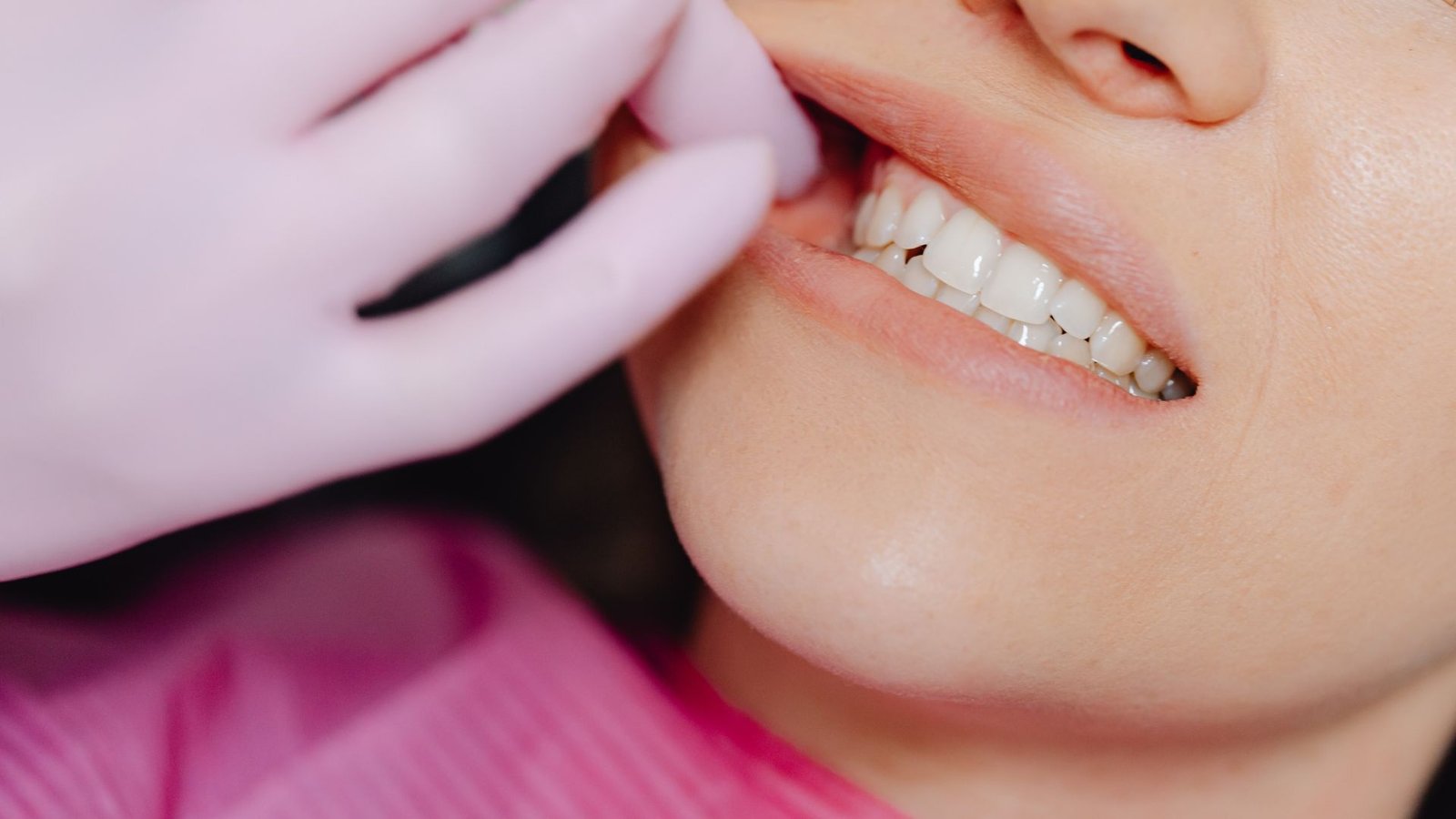
Cosmetic Tooth Bonding in Ladson, SC
One visit, no lab, no anaesthetic in most cases. The quickest way to fix a chip or close a small gap.

How it works
Composite resin shaped directly onto the tooth
Bonding uses a tooth-coloured composite resin applied directly to the tooth, sculpted into shape by hand, then hardened with a curing light and polished. It happens in a single appointment, usually within an hour, and often without any numbing.
Because the material is shaped in the mouth rather than made in a lab, the result depends heavily on the skill of the person doing it. Done well, it is invisible. Done badly, it looks bulky and catches the light wrongly.
It is the most conservative cosmetic option available. In most cases little or no enamel is removed, which means it is reversible in a way that veneers and crowns are not.
Good candidates
What bonding fixes well
Chipped edges
A corner broken off a front tooth, rebuilt in the same visit.
Small gaps
Closing a diastema between the front teeth without orthodontics.
Uneven shapes
Lengthening a short tooth or evening out a slightly irregular edge.
Exposed roots
Covering sensitive root surface where the gum has receded.
Learn moreSmall discoloured spots
Masking a stain or white spot that whitening will not remove.
Learn moreMinor decay
Doubling as a filling on a front tooth where appearance matters.
Learn moreHow it is done
Why the result depends on the hand doing it
Bonding is one of the few dental treatments shaped entirely in the mouth rather than made in a laboratory. There is no impression sent away and nothing milled to a design. The composite is applied in soft increments, sculpted by hand to rebuild the contour of the tooth, hardened with a curing light, then shaped and polished.
That is why two bonding cases can look completely different. Done well, the composite follows the natural convexity of the tooth, the edge translucency is reproduced, and light passes through it much as it does through enamel. Done poorly, it reads as a flat opaque patch, catches the light wrongly, and the margin where it meets the tooth is visible.
Layering
A single shade of composite rarely matches a natural tooth, because a tooth is not one colour. It is more opaque near the gum and more translucent at the edge. Matching that means layering shades, and it is the difference between a repair that disappears and one you notice every time you look.
What it will not do
Composite stains over years in a way porcelain does not, and it is not as strong. On a biting edge taking heavy load, or where several teeth need changing together, porcelain veneers give a better long-term result. For one chip or a small gap, bonding is usually the more sensible choice, and it is reversible in a way veneers are not.
Common questions
Questions we hear most
How long does bonding last?
Typically three to seven years before it needs repair or replacement, depending on where it is and your habits. Bonding on a biting edge takes more punishment than bonding on a smooth surface. It can usually be repaired rather than fully redone.
Does it stain?
Yes, more than porcelain does. Composite is slightly porous, so coffee, tea, red wine and tobacco will discolour it over the years. This is the main practical trade-off against veneers.
Will bonding hurt?
Usually there is no drilling and no anaesthetic needed, so most patients feel nothing beyond the sensation of the material being shaped. If bonding is being combined with removing decay, the area will be numbed.
Can bonding be whitened later?
No. Composite does not respond to whitening agents. If you plan to whiten, do it first and let the shade stabilise, then match the bonding to the new colour. Otherwise the bonding will stand out once your natural teeth lighten.
Is bonding cheaper than veneers?
Considerably, and it is done in one visit rather than several. The trade-off is lifespan and stain resistance. For one small chip, bonding is usually the sensible choice. For changing several teeth at once, veneers often give a better long-term result.
Will it match my other teeth?
That is the point of the shade selection at the start. Composite comes in a wide range of shades and translucencies, and layering different shades is what makes the result blend rather than sit as a flat patch of colour.
Ready when you are
Book a cosmetic consultation
Bring a photo of a smile you like. It tells us more than a description ever does.