
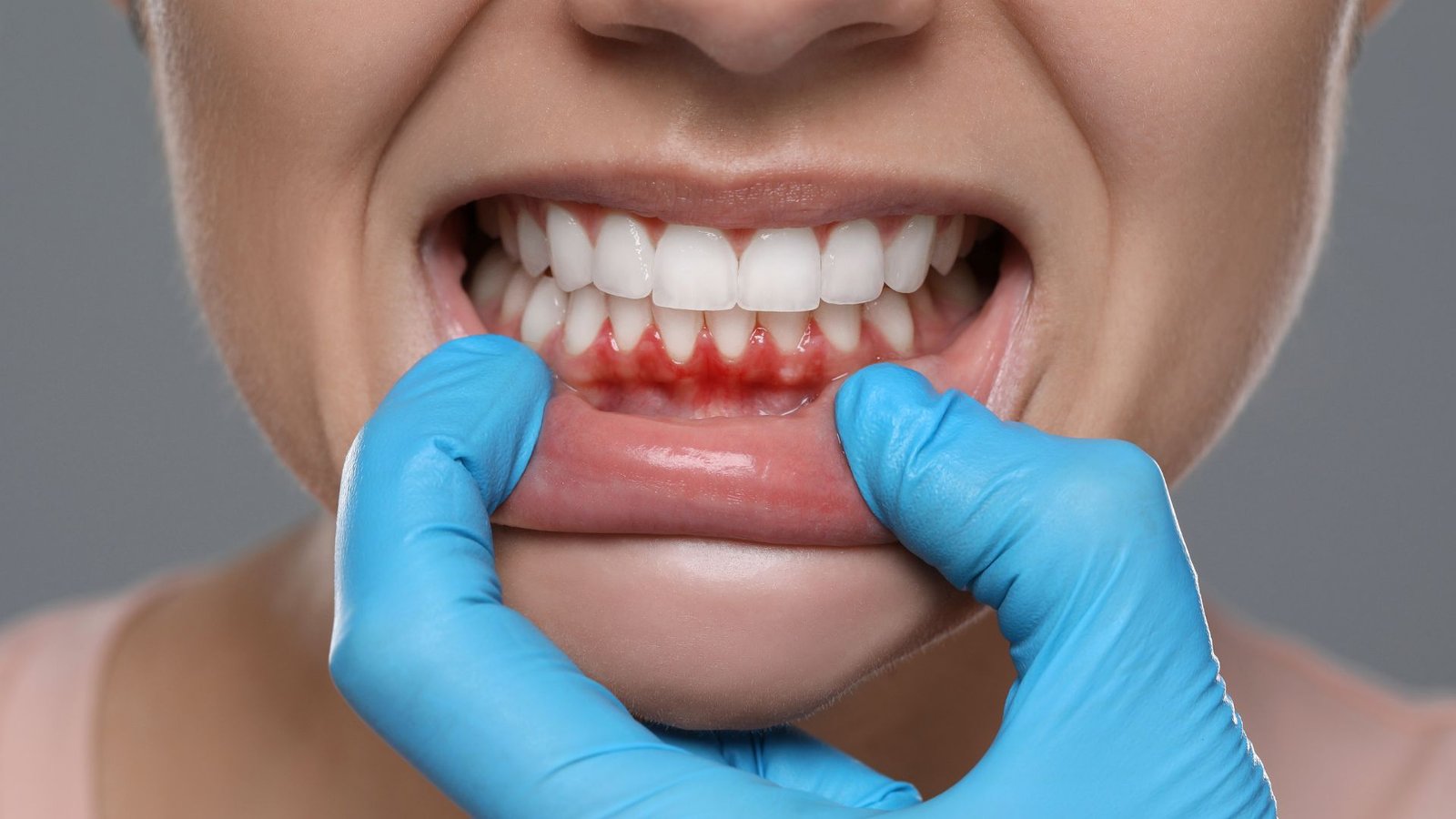
Dental Abscess Treatment in Ladson, SC
An abscess is a pocket of infection. It does not resolve on its own, and it is the dental problem most likely to become a medical one.
Seek care urgently
Signs of a dental abscess
- Severe, persistent throbbing pain that may radiate to the jaw, ear or neck
- Swelling of the gum, face or jaw
- A pimple-like bump on the gum, which may discharge and taste foul
- Pain on biting or when the tooth is touched
- Sensitivity to hot and cold
- A bad taste or persistent bad breath
- Fever, or generally feeling unwell
Go to an emergency room immediately if you have difficulty breathing or swallowing, swelling that is spreading toward the eye or down the neck, or a high fever. Infection can spread into spaces where it becomes life-threatening.
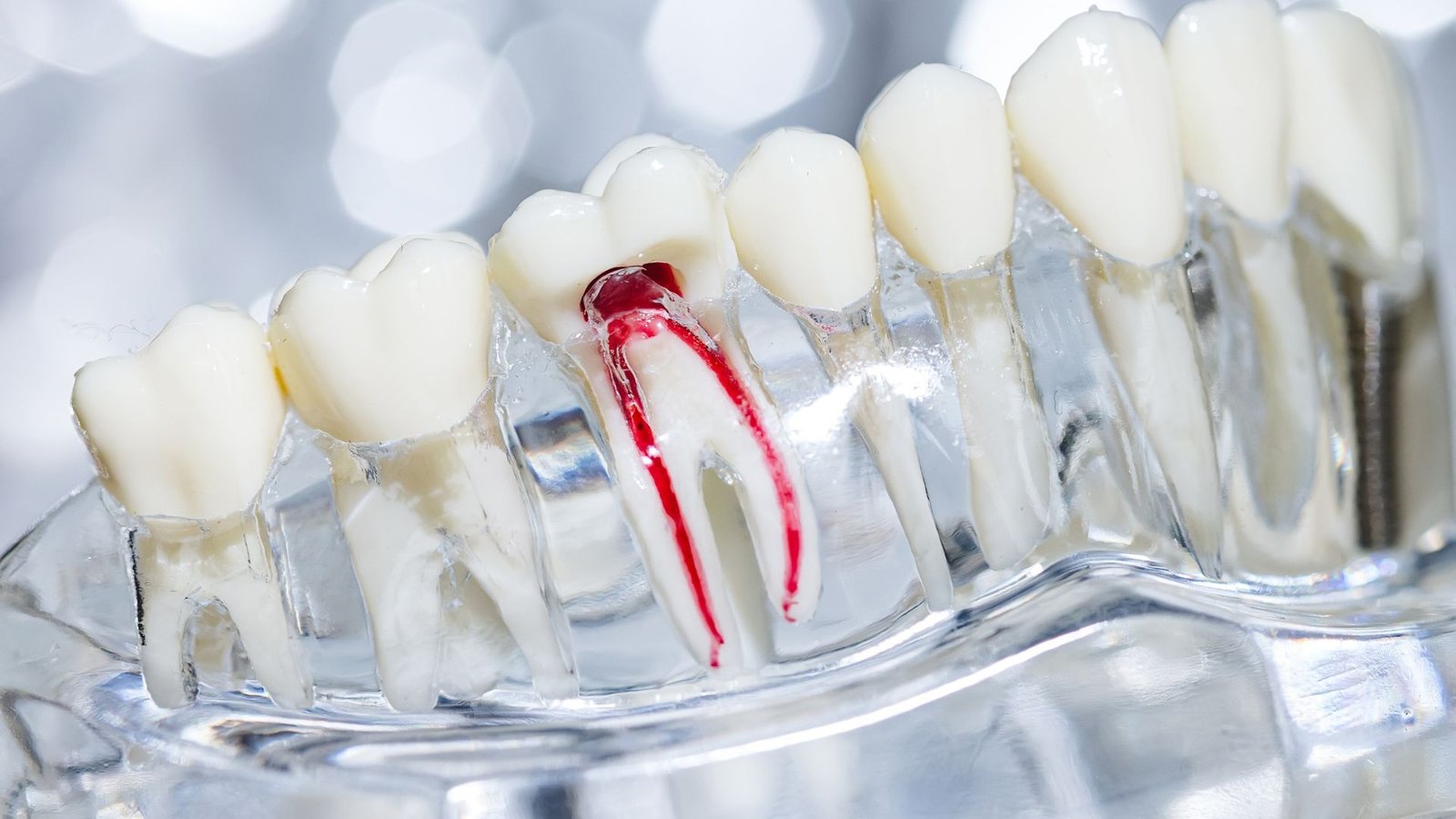
Treatment
Drainage first, then the cause
Treating an abscess has two parts. The first is relieving the pressure by draining the pus, which is what produces immediate relief. The second is eliminating the source, because drainage alone means the infection returns.
Where the infection originates inside the tooth, root canal therapy removes the infected pulp and seals the canals. Where the tooth is not restorable, extraction removes the source directly. Where the abscess arises from the gum rather than the tooth, deep cleaning of the pocket is the treatment.
Antibiotics have a role in controlling spreading infection and swelling, but they are an adjunct rather than a cure. An antibiotic cannot reach infected pulp inside a tooth, because there is no longer a blood supply to carry it there.
Why it is urgent
What an untreated abscess actually does
An abscess is a pocket of pus walled off by the body to contain an infection. That containment is why the pressure builds and why the pain is so distinctive, and it is also why the infection does not simply resolve. Antibiotics circulate in the blood, and the inside of a dead tooth has no blood supply left to carry them there.
Left alone, infection follows the path of least resistance through bone. Sometimes that means draining through the gum, which relieves the pressure and gives the false impression the problem has passed. Sometimes it means spreading into the soft tissue spaces of the face and neck, and that is where a dental problem becomes a medical emergency.
The signs that change the urgency
Swelling that is spreading rather than localised, difficulty swallowing or breathing, a fever alongside facial swelling, or swelling tracking toward the eye or down the neck. Any of those means an emergency room rather than a dental appointment, because the risk at that point is airway compromise rather than toothache.
Short of that, an abscess is a same-day dental problem. Draining it relieves the pain quickly. Treating the source, whether that is root canal therapy or extraction, is what stops it returning.
Common questions
Questions we hear most
Will a dental abscess go away on its own?
No. It may appear to improve if it drains through the gum and the pressure releases, but the infection remains and will flare again. Untreated abscesses can spread into surrounding bone and soft tissue, which is when they become dangerous.
Are antibiotics enough on their own?
No. They can control spread and reduce swelling, which is sometimes needed before treatment, but they do not eliminate the source. Once the course finishes, the infection typically returns. The tooth still needs a root canal or extraction.
How urgent is this?
Same-day. Call (843) 970-3799. If you have facial swelling, difficulty breathing or swallowing, or fever, go to an emergency room rather than waiting for a dental appointment.
Why did my pain suddenly stop?
Often because the nerve inside the tooth has died, or because the abscess has burst and drained, relieving pressure. Neither means the infection has resolved. The absence of pain at this stage is misleading and the tooth still needs treatment.
Can I drain it myself?
No. Do not attempt to lance or squeeze an abscess. You risk pushing infection deeper into the tissues, and you cannot address the underlying cause. Warm salt water rinses are safe and may encourage natural drainage while you wait for your appointment.
Will I lose the tooth?
Not necessarily. Many abscessed teeth are saved with root canal therapy, particularly when treated before extensive bone destruction. Whether a specific tooth is restorable depends on how much structure remains and the state of the surrounding bone, which an x-ray will show.
Do not wait it out
In pain today? Call us now
We keep time open for same-day emergency appointments, for new and existing patients.