
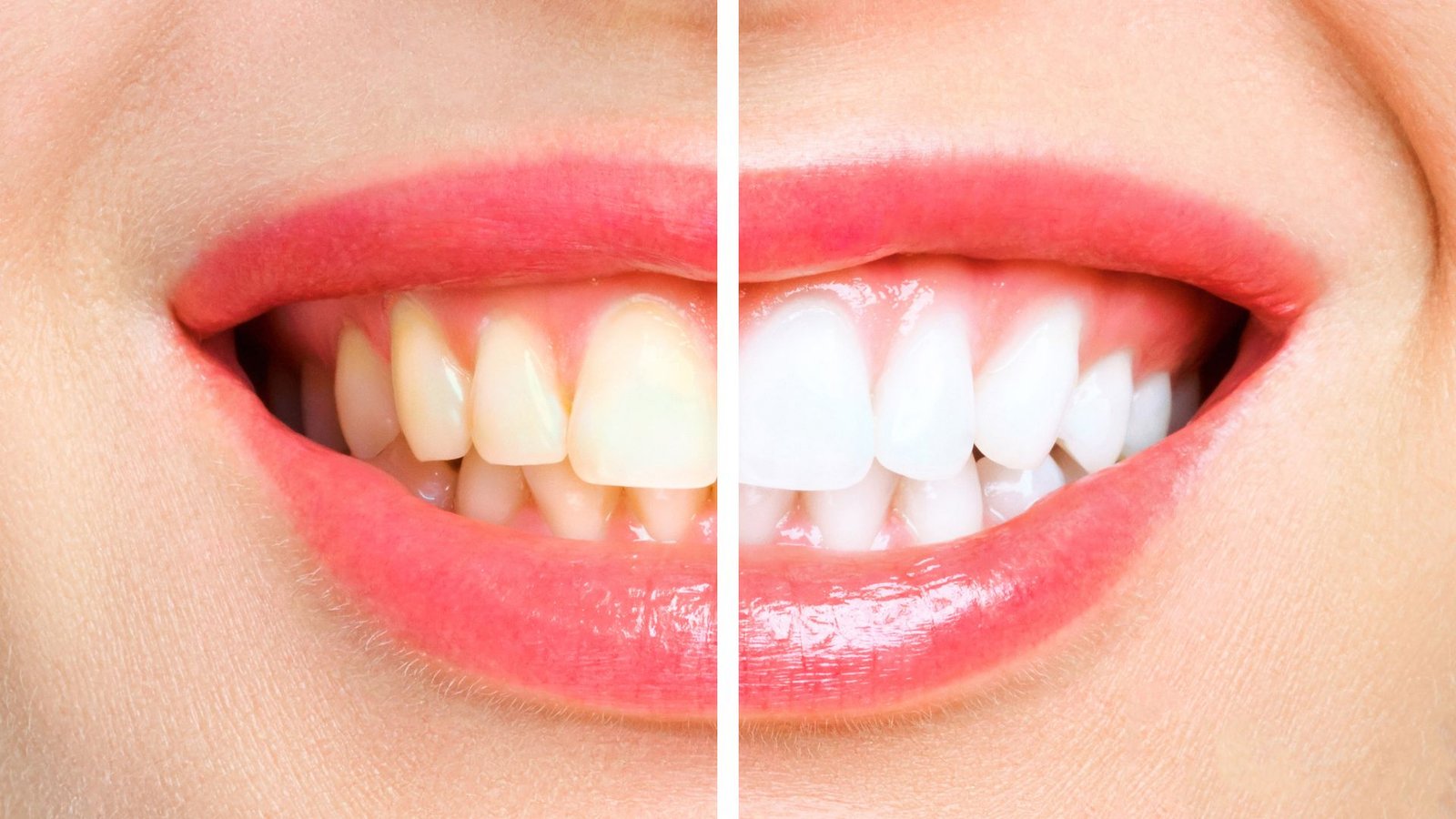
Teeth Whitening in Ladson, SC
Professional whitening reaches stain inside the tooth, which is why it works where whitening toothpaste does not.
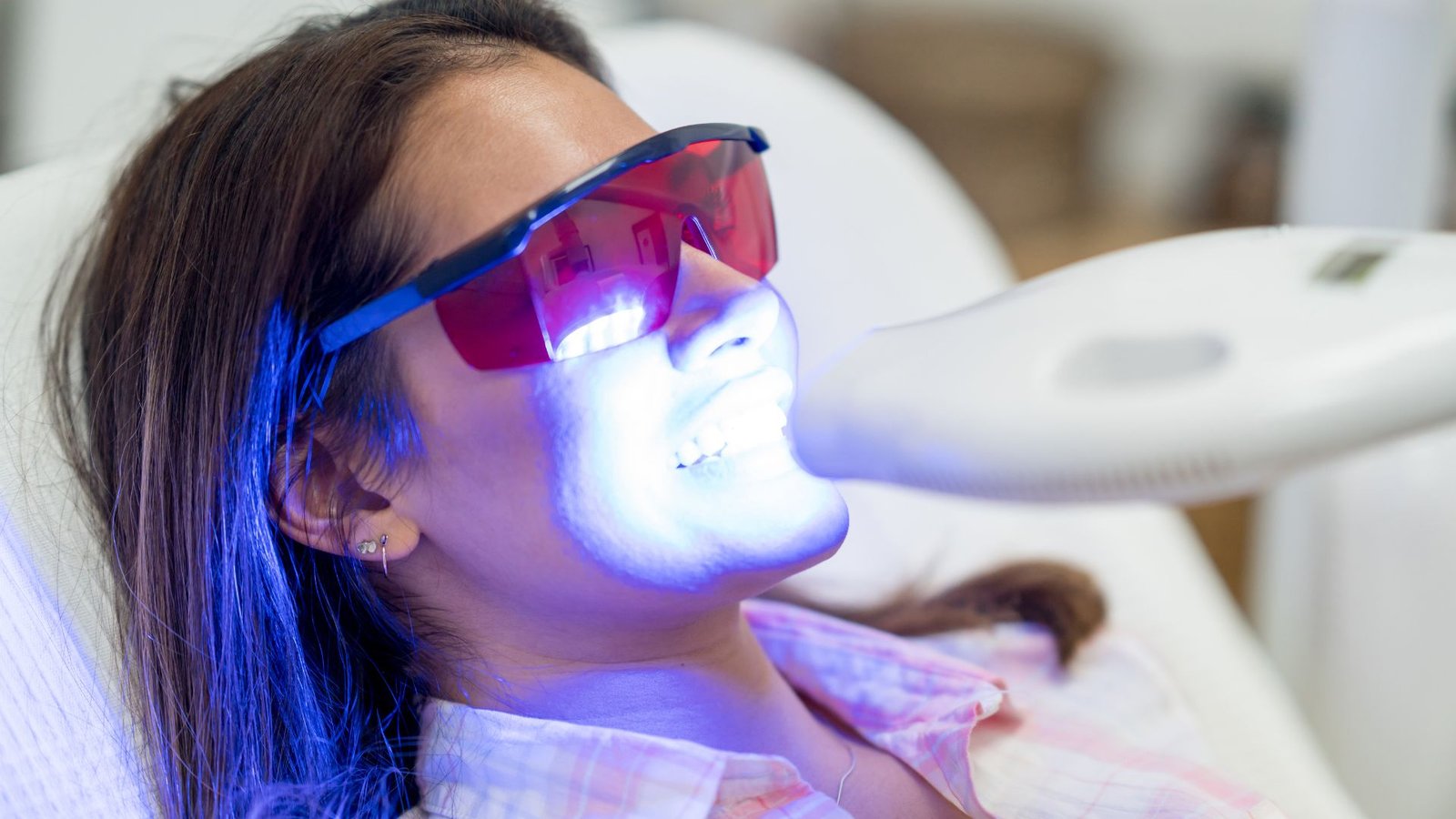
How whitening works
Surface stain and internal stain are different problems
Whitening toothpastes and polishing remove surface stain, the film that coffee, tea, wine and tobacco leave on the outside of the enamel. That helps, but it only returns a tooth to its own natural colour.
Professional whitening uses a peroxide gel that penetrates the enamel and breaks down the pigment molecules held inside the tooth. That is what actually lightens the tooth beyond its starting shade, and it is why over-the-counter strips at low concentrations produce modest results.
We offer both in-office whitening, which produces a visible change in one appointment, and custom take-home trays, which work more gradually over about two weeks. Many patients do both: an in-office session to get there quickly, then trays to maintain it.
Two approaches
In-office or take-home
In-office whitening
One appointment, strongest concentration, supervised throughout, with the biggest single-visit change. See ZOOM! whitening.
Learn moreCustom take-home trays
Trays made to your teeth plus professional gel, worn a short period daily for about two weeks. Gentler on sensitivity and easy to top up later.
Realistic expectations
What whitening will and will not do
- It works well on yellow and brown discolouration from age, food, drink and tobacco
- It works less predictably on grey discolouration, including tetracycline staining
- It does not change the colour of crowns, veneers, bonding or fillings at all
- A tooth that darkened after trauma or root canal needs internal whitening, not tray whitening
- Results are not permanent, and how long they last depends on what you drink and whether you smoke
- If restorations are planned, whiten first so they can be matched to the final shade
Existing dental work will not lighten. If you have a crown or veneer on a front tooth, whitening the teeth around it will make it stand out.
Sensitivity
Why whitening makes teeth sensitive, and what helps
Sensitivity during whitening is common, temporary, and often the reason people abandon treatment halfway. It is worth understanding rather than enduring.
Peroxide temporarily increases the permeability of enamel while it works. That is the mechanism that lets it reach pigment inside the tooth, and it is also what lets hot and cold reach the nerve more easily. The effect is reversible and resolves within days of finishing.
What actually reduces it
Using a desensitising toothpaste containing potassium nitrate for a week or two beforehand makes a measurable difference. Shortening each session and spacing them further apart is more effective than pushing through. A fluoride or desensitising gel applied afterwards helps. And custom trays matter here too, because a poorly fitting tray lets gel onto the gum, and that discomfort is chemical irritation rather than sensitivity.
Tell us if you already have sensitive teeth. We can pre-treat, adjust the protocol, or recommend gentler take-home trays over an in-office session. Sensitivity is something to manage, not a reason to rule whitening out.
Common questions
Questions we hear most
How long do the results last?
Typically one to three years, though it varies a great deal. Heavy coffee, tea, red wine or tobacco use will shorten that considerably. Custom trays make maintenance straightforward, since you can top up occasionally rather than repeating the whole process.
Does whitening damage enamel?
Professionally supervised whitening at appropriate concentrations does not damage enamel. The main side effect is temporary sensitivity, which resolves after treatment. The risk with unsupervised high-concentration products is chemical burns to the gums from poorly fitting trays.
Why are my teeth sensitive during whitening?
Peroxide temporarily increases the permeability of the enamel, which lets stimuli reach the nerve more easily. It is common, it is temporary, and it can be managed by shortening wear time, spacing sessions further apart, or using a desensitising gel. Tell us if it becomes uncomfortable.
Will whitening work on my crowns or fillings?
No. Porcelain and composite do not respond to whitening agents at all. If a visible restoration no longer matches after whitening, it can be replaced to the new shade, which is why we sequence whitening before cosmetic work rather than after.
Are drugstore whitening strips worth trying?
They can produce a mild improvement, and for light surface staining they may be enough. They use lower concentrations and a one-size tray, so results are more modest and less even. If you have tried them without success, that is usually a sign the staining is deeper than they can reach.
Can anyone have their teeth whitened?
Most adults can. It is generally deferred during pregnancy and breastfeeding, and it is not appropriate where there is untreated decay or active gum disease, since the gel will reach exposed dentine and inflamed tissue. We check for that first.
Ready when you are
Book a cosmetic consultation
Bring a photo of a smile you like. It tells us more than a description ever does.