
Root Canal Therapy in Ladson, SC
A root canal relieves the pain of an infected tooth. It has a reputation it has not deserved for decades.

What it treats
Infection inside the tooth, not on it
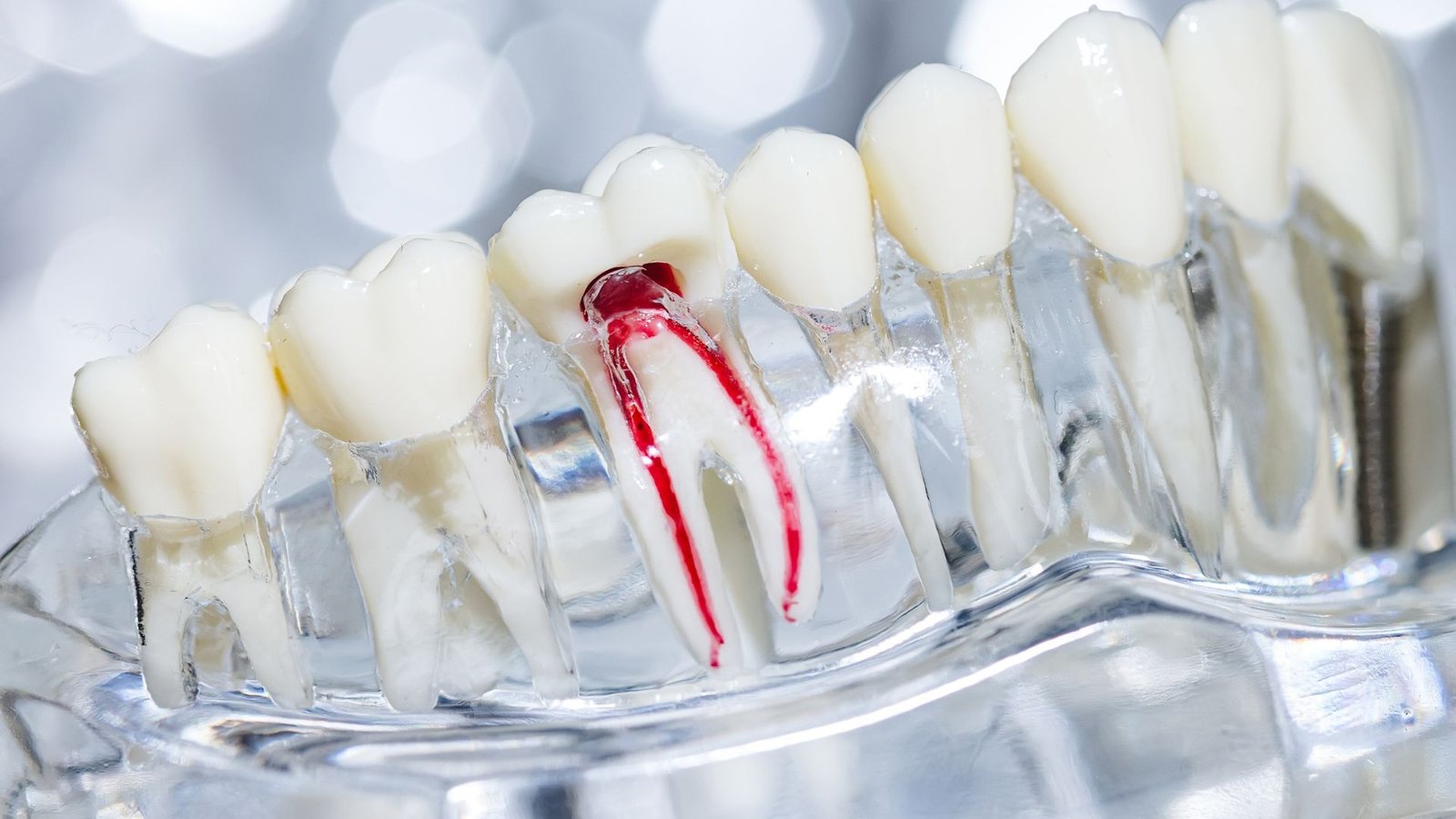
Inside every tooth is a chamber containing the pulp: nerve tissue and blood vessels. When decay, a crack or trauma lets bacteria reach that chamber, the pulp becomes infected and inflamed. Because it is enclosed in rigid tooth structure, the pressure has nowhere to go, which is why the pain can be severe.
Root canal therapy removes the infected pulp, disinfects and shapes the canals inside the roots, then seals them so bacteria cannot recolonise. The tooth stays in place and continues to function.
The alternative is extraction, which means either living with a gap or paying for an implant or bridge to replace what you already had. Keeping a natural tooth is nearly always the better outcome where the tooth is restorable.
Symptoms
Signs you may need a root canal
- Severe, persistent toothache, often worse lying down
- Lingering pain to hot or cold that continues well after the stimulus is removed
- Pain when biting or when the tooth is tapped
- A pimple-like bump on the gum near the tooth, which is a draining abscess
- Swelling in the face or gum around the tooth
- A tooth that has darkened compared with its neighbours
- Sometimes no symptoms at all, with infection found on a routine x-ray
Pain that stops suddenly is not necessarily good news. It can mean the nerve has died while the infection continues. See dental abscess.
The procedure
What actually happens
Numbing
The tooth and surrounding area are thoroughly numbed. With modern anaesthetic, a root canal should feel much like having a filling.
Access and cleaning
A small opening is made through the crown of the tooth. The infected pulp is removed and the canals cleaned and disinfected.
Sealing
The canals are filled with a rubber-like material and sealed so bacteria cannot re-enter.
Crown
A crown is usually fitted afterwards on back teeth, because a root treated tooth is more brittle and prone to fracture without one.
Where the reputation came from
Why root canals are still feared
The reputation is real but it is decades out of date. It comes from a period when anaesthesia was less reliable, instruments were hand-operated and slower, and infected teeth were often left far longer before treatment. Someone arriving in severe pain, with an inflamed pulp that local anaesthetic struggles to numb properly, and facing a long appointment, had a genuinely bad time.
What changed is partly technique and partly timing. Modern anaesthetic protocols handle inflamed pulps far more predictably. Rotary instruments shape canals in a fraction of the time. And treating a tooth before the infection is advanced makes the whole thing more straightforward.
The thing worth understanding is that the pain patients associate with root canals is the pain of the tooth, not the treatment. An inflamed pulp inside a rigid chamber has nowhere for the pressure to go, which is why it can be severe enough to wake you. Root canal therapy is what stops that.
Why the crown afterwards is not optional
A root treated back tooth has lost its blood supply and has an access opening cut through the top of it. It is measurably more brittle than it looks, and it takes full chewing force every day. Teeth that fracture after root canal treatment are almost always ones where the crown was delayed. If the tooth splits vertically at that point it usually cannot be saved, which turns a successfully treated tooth into an extraction.
Common questions
Questions we hear most
Does a root canal hurt?
The reputation predates modern anaesthetics and techniques. The procedure itself is done under local anaesthetic and most patients report it feels similar to having a filling. What genuinely hurts is the infected tooth beforehand, and the root canal is what stops that.
How many appointments is a root canal?
One or two, depending on the tooth and the extent of infection. Molars have more canals and take longer than front teeth. If there is significant active infection, we sometimes place medication inside and complete the treatment at a second visit.
Why do I need a crown afterwards?
A root treated tooth has had its blood supply removed and has an access opening cut through the top, both of which make it more brittle. Back teeth take heavy chewing forces and fracture readily without a crown to hold them together. Front teeth sometimes manage without one.
Is it better to just pull the tooth?
How long does a root treated tooth last?
Frequently for the rest of your life, particularly when it is crowned promptly and you maintain good gum health. Success rates for root canal therapy are high. The main risks are fracture from delaying the crown, or new decay at the margin.
Can I go to work afterwards?
Usually yes. The numbness takes a few hours to wear off and there may be some tenderness for a couple of days, manageable with over-the-counter pain relief. Most patients return to normal activity the same day.
Ready when you are
Book a restorative consultation
You will leave knowing what it costs and what your options are, in writing.