
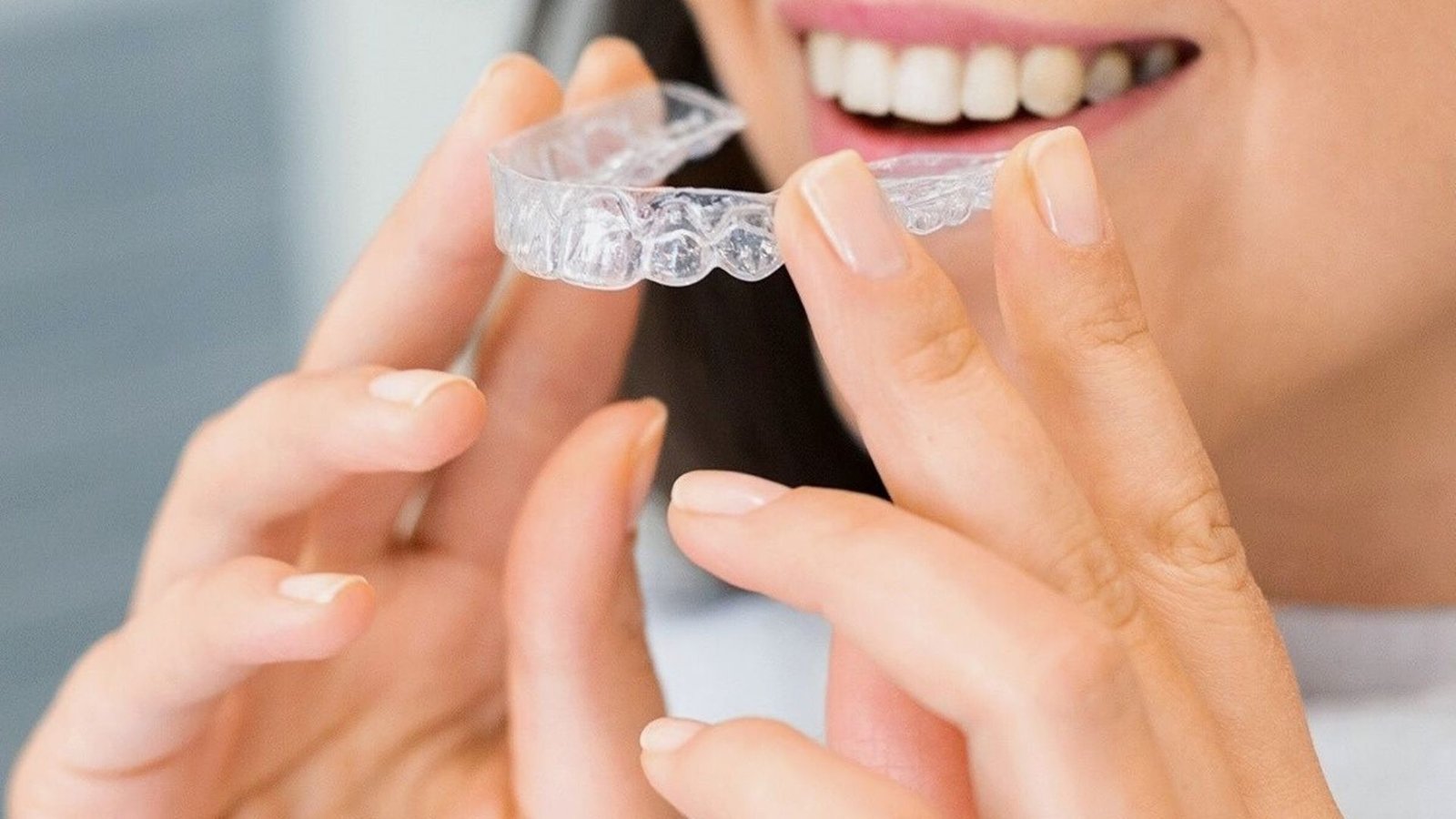
$500 Off Invisalign
Five hundred dollars off Invisalign treatment for new patients, with retainers included afterwards.
Invisalign Treatment
New patients only.
Most Invisalign treatment costs somewhere between $3,000 and $7,000 depending on complexity. It is a genuine investment, and it is easier to commit when the starting figure is $500 lower.
Retainers are included once treatment finishes, which matters more than it sounds. Teeth drift back toward their original position without them, so retainers are not an optional extra, they are what protects the result you paid for.
Includes
- $500 off your Invisalign treatment plan
- Free retainers after treatment completes
- Digital treatment planning so you see the projected result first
- Consultation with certified Invisalign provider Dr. Betty Mathew
What affects the price
Why quotes vary between patients
Case complexity
Not everyone wears aligners for a year. Some need a few months, others considerably longer, and treatment length is the main cost driver.
Compliance
Aligners work while they are in your mouth. Poor wear time extends treatment and can require additional aligners to correct the shortfall.
How teeth respond
Occasionally teeth move less predictably than planned and refinement aligners are needed. Dr. Mathew monitors progress and adjusts.
What you are buying
Where the money actually goes
Invisalign is not a product you collect from a shelf. The fee covers the digital planning of every movement before the first aligner is made, the full set of custom aligners manufactured to that plan, the review appointments where progress is checked against it, any refinement aligners needed if teeth move differently than predicted, and the retainers afterwards.
That last item matters more than people expect. Teeth have a strong tendency to drift back toward their original position, and retainers are the only thing that prevents it. Paying separately for retainers after orthodontic treatment is common elsewhere. Here they are part of the plan.
Why quotes differ between people
The single biggest driver is how long treatment runs, which depends on how much movement is needed. A mild crowding case may finish in six months. A case involving rotation, spacing and bite correction together can run eighteen. You will get a specific figure at consultation once Dr. Mathew has seen what actually needs to happen, rather than a range.
Honest requirements
Invisalign only works if you do
- Aligners must be worn 20 to 22 hours a day, out only for eating and cleaning
- You change to the next set on schedule, usually every one to two weeks
- You brush before putting them back in, since trapped sugar sits held against the enamel
- You attend review appointments so progress can be checked against the plan
- You wear retainers afterwards, permanently in some form
- Complex bite problems sometimes still need conventional braces, and we will say so rather than start treatment that will not work
Poor wear time is the main reason Invisalign treatment overruns. The trays only move teeth while they are in your mouth.
Common questions
Questions we hear most
How do I claim the $500 off?
Book an Invisalign consultation and mention the offer. Call (843) 970-3799 or request an appointment on this page. The discount applies to new patients.
What does Invisalign actually cost after the discount?
It depends on complexity, but typical treatment runs between roughly $3,000 and $7,000 before the discount. You will get a specific figure at consultation once Dr. Mathew has seen what movement is needed, not a vague range.
Can I finance the balance?
Yes. CareCredit offers monthly payment plans, and many patients use it for orthodontic treatment since it usually exceeds annual insurance maximums. See financing and insurance.
Are retainers really included?
Yes. Retainers after treatment are part of your plan here. This matters because teeth relapse toward their original position without them, and paying separately for retainers after orthodontic treatment is common elsewhere.
Does insurance cover Invisalign?
Some plans include an orthodontic benefit, often a lifetime maximum rather than annual. We will check whether yours does and how much it contributes.
How do I know if I am a candidate?
Invisalign handles crowding, gaps, crossbite, overbite, underbite and relapse after previous orthodontics well. Complex bite problems sometimes still need conventional braces, and Dr. Mathew will tell you if that applies rather than starting treatment that will not work. See Invisalign.
Ready when you are
Schedule your first appointment
New patients are welcome, and dental emergencies are seen the same day.