
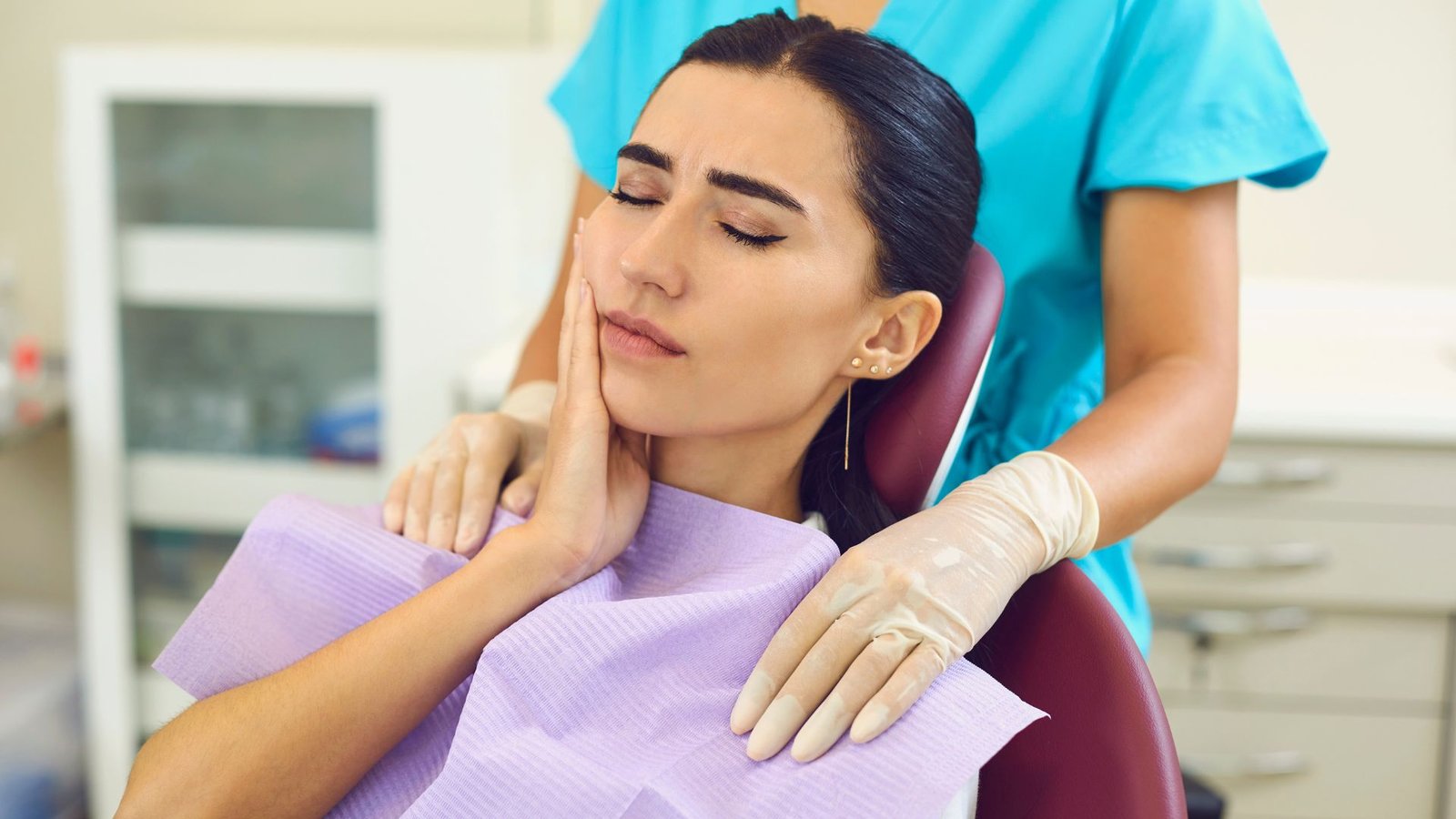
TMJ Therapy in Ladson, SC
Jaw pain, clicking, locking and headaches that nobody has connected to your bite.
What TMJ means
A joint that does a great deal of work
The temporomandibular joint connects your jaw to your skull just in front of each ear. It hinges and slides at the same time, and you use it every time you speak, chew, swallow or yawn. When it or the muscles around it become irritated, the result is grouped under the term TMD, commonly called TMJ.
Symptoms are often not obviously dental. Persistent headaches, earache with no infection, facial soreness, neck tension and a jaw that clicks or catches are all common presentations. Many patients have seen other providers first without the jaw being considered.
Causes vary: grinding and clenching, an uneven bite, arthritis in the joint, injury, or stress-driven muscle tension. Treatment depends on which of those is driving it, so the evaluation matters more than jumping to a device.
Symptoms
What patients usually describe
- Pain or tenderness in the jaw, especially near the ear
- A clicking, popping or grating sound when opening or closing
- The jaw locking open or closed, or catching partway
- Headaches, particularly at the temples and on waking
- Earache, fullness or ringing with no ear infection present
- Difficulty or discomfort chewing tougher foods
- Facial muscle fatigue, or a jaw that feels tired by the end of the day
Our approach
Diagnose first, then treat
Examination
Dr. Mathew assesses your range of motion, listens for joint sounds, palpates the muscles, and checks how your teeth meet.
Identify the driver
Grinding, bite imbalance, joint damage and muscle tension need different treatments. X-rays help rule out arthritic change.
Conservative treatment first
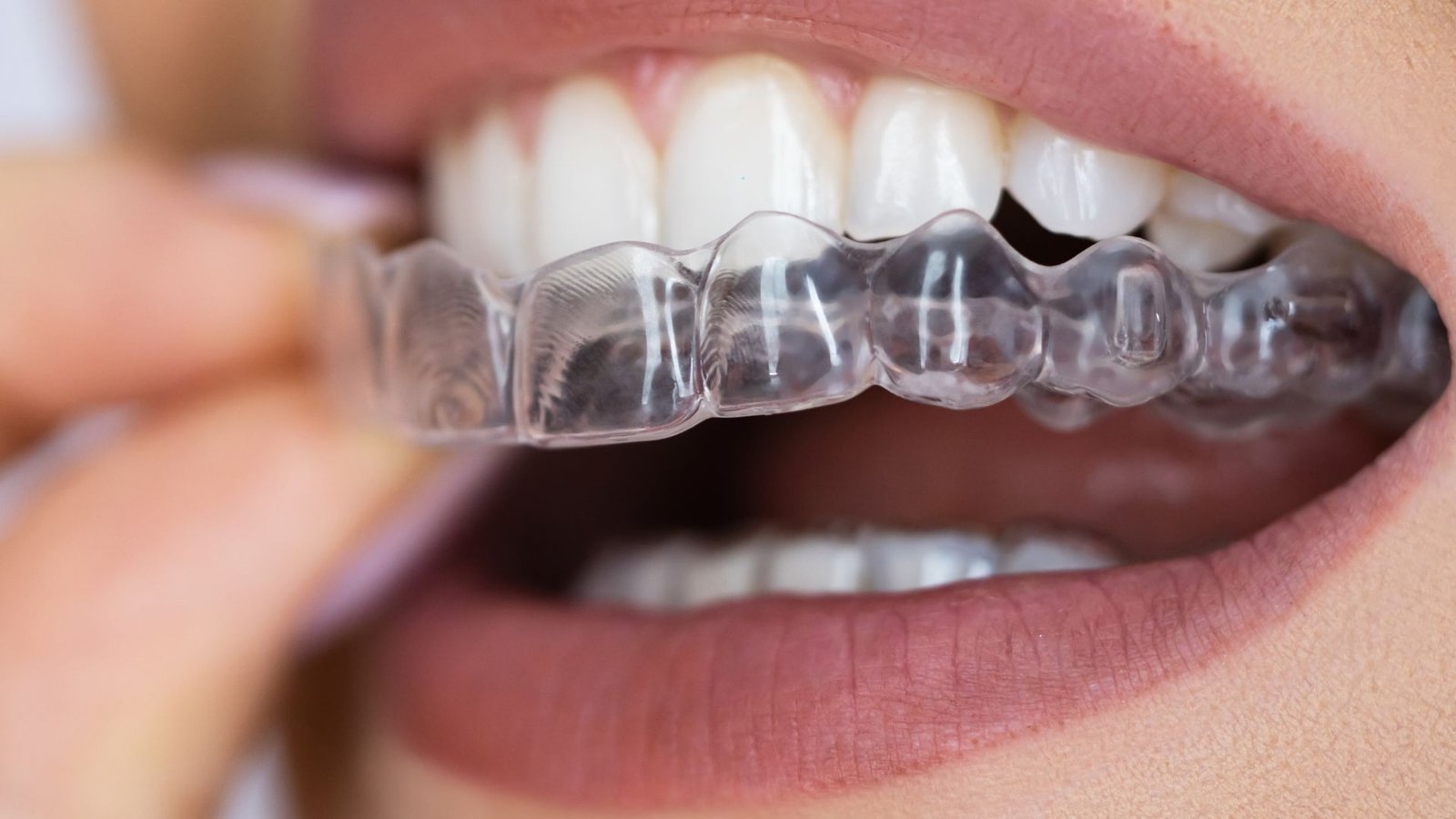
A custom splint or night guard, bite adjustment where appropriate, plus jaw exercises, heat and habit changes.
Review and refer
We reassess and adjust. If the joint itself requires specialist care, we will tell you rather than persist with a device that is not working.
Why it gets missed
TMD often presents as something else entirely
A significant number of patients with jaw joint problems arrive having already seen other providers, because the symptoms rarely point obviously at the jaw.
Headaches at the temples get investigated as migraine. Earache with no infection gets treated as an ear problem, sometimes repeatedly. Facial pain gets attributed to sinus trouble. Neck and shoulder tension gets treated in isolation. All of these can be referred pain from muscles and a joint that sit just in front of the ear and are working harder than they should.
The reason the referral pattern is so misleading is anatomical. The muscles that close the jaw are large, they attach across the side of the skull, and when they are chronically fatigued they refer pain to areas that feel unrelated to the mouth.
What points toward the jaw
Symptoms worse on waking, which suggests overnight clenching. Pain that changes with chewing. Clicking, catching or locking when opening. Tenderness when you press just in front of the ear. Difficulty opening as wide as you used to.
Conservative first, and honestly
The large majority of cases respond to a splint, bite adjustment where appropriate, jaw exercises, heat and habit change. We reassess at intervals so you can see whether it is working rather than persisting indefinitely with a device that is not helping. If the joint itself has structural damage requiring specialist care, we will say so.
Common questions
Questions we hear most
Will TMJ go away on its own?
Sometimes. Mild, recent symptoms often settle with rest, soft foods, heat and avoiding wide opening. Persistent or worsening symptoms, and any locking, are worth evaluating rather than waiting out.
Can my bite be causing my headaches?
It can contribute. When teeth do not meet evenly, the jaw muscles work harder to find a comfortable position, and sustained muscle tension refers pain to the temples and neck. That said, headaches have many causes, and we will not claim your bite is the answer without evidence.
Do I need surgery?
Almost certainly not. The large majority of TMD cases respond to conservative treatment: a splint, bite adjustment, exercises and habit change. Surgery is a last resort for a small minority with structural joint damage.
Is a night guard the same as a TMJ splint?
They overlap but are not identical. A night guard primarily protects teeth from grinding. A TMJ splint is designed and adjusted to reposition or unload the joint. Which one you need depends on what the evaluation shows.
Why does my jaw click?
Clicking usually means the disc inside the joint is moving out of and back into position as you open. Painless clicking on its own is common and often does not require treatment. Clicking with pain, or a jaw that locks, does warrant evaluation.
How long does TMJ treatment take?
Muscle-driven symptoms often improve within a few weeks of starting splint therapy. Longstanding cases with joint change take longer and are managed rather than cured. We will reassess at intervals so you can see whether it is working.
Ready when you are
Schedule your visit in Ladson
New patients are welcome, and dental emergencies are seen the same day.