
Dental Bridges in Ladson, SC
A fixed replacement for a missing tooth, anchored to the teeth on either side. Faster than an implant, and permanently in place.
How a bridge works
Three units where one tooth is missing
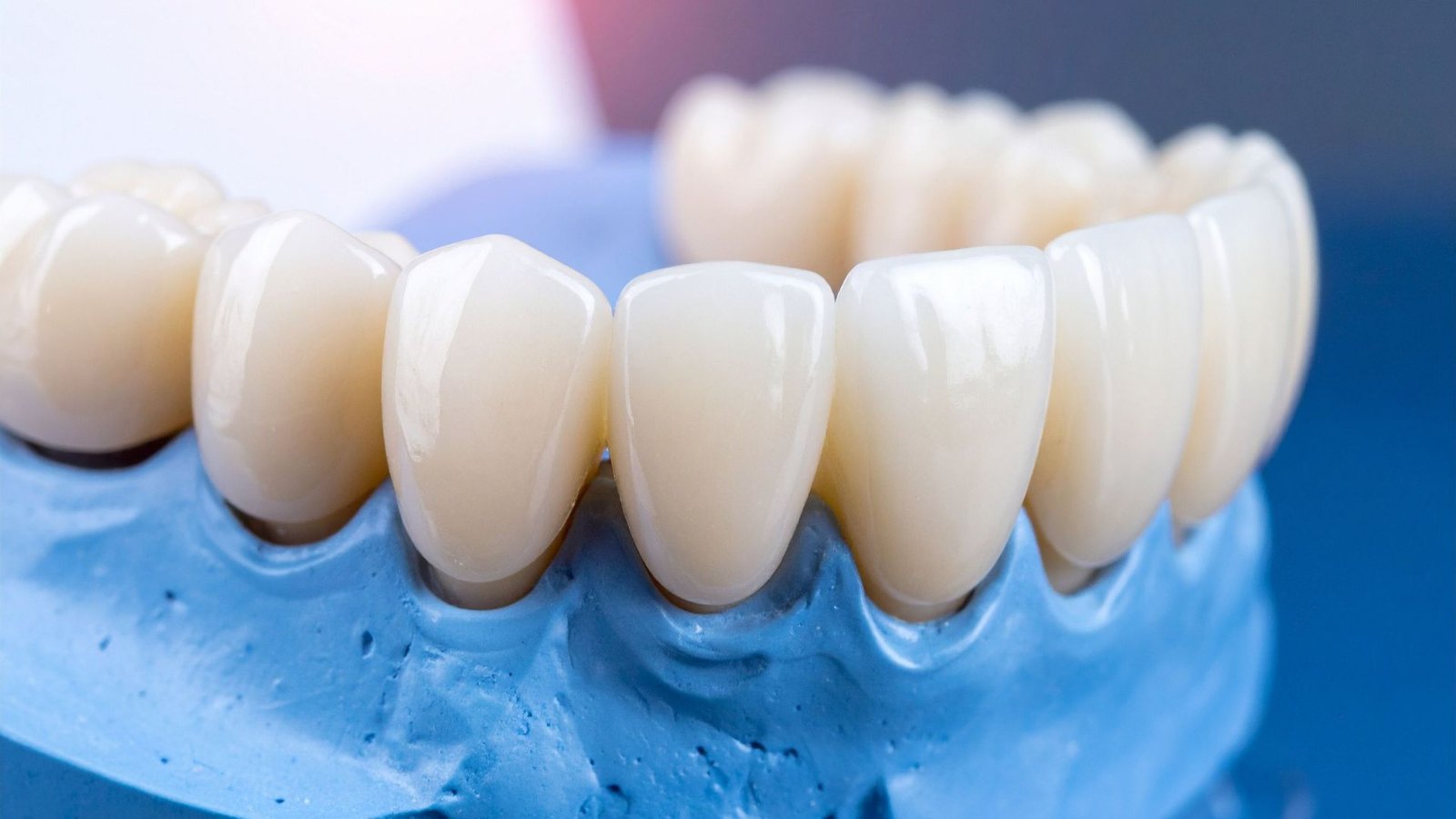
A traditional bridge consists of crowns on the teeth either side of a gap, joined to a false tooth that sits in the space between them. The whole unit is cemented in place permanently, so unlike a partial denture it is not removed for cleaning.
The trade-off is that the two anchor teeth must be prepared for crowns, which means removing healthy enamel from teeth that may have had nothing wrong with them. That is the central consideration when weighing a bridge against an implant.
Where the neighbouring teeth already need crowns for other reasons, a bridge becomes considerably more attractive, since you are not sacrificing sound tooth structure to make it work.
Bridge vs implant
How they actually compare
Dental bridge
Complete in two to three weeks. Lower up front. Requires preparing the two adjacent teeth. Does not prevent bone loss under the gap. Typically lasts ten to fifteen years.
Dental implant
Takes several months for bone integration. Higher up front. Leaves neighbouring teeth untouched. Preserves bone. Frequently lasts decades. Bundled at $3,350.
Learn moreA bridge may suit you if
When we would recommend one
- The teeth either side of the gap already need crowns or have large fillings
- You want the gap closed in weeks rather than months
- There is not enough bone for an implant and you would rather avoid grafting
- A medical condition or medication makes implant surgery inadvisable
- Cost is a deciding factor and an implant is out of reach right now
- You are replacing one or two adjacent teeth rather than a longer span
The decision
What you are really weighing up
The choice between a bridge and an implant is usually presented as cost versus longevity, but the more important variable is what happens to the teeth either side of the gap.
A bridge requires those two teeth to be cut down for crowns. If they are already heavily filled, cracked, or need crowning anyway, you lose nothing by using them, and a bridge becomes the sensible choice. If they are pristine, you are removing healthy enamel from two sound teeth to solve a problem with a third, and that enamel does not come back.
The second consideration is bone. A bridge spans the gap above the gum but leaves the bone underneath unstimulated, so it continues to resorb. Over years the gum recedes beneath the false tooth and a visible space can open up under it. An implant transmits chewing force into the bone and prevents that.
Where a bridge is clearly right
When the neighbouring teeth need crowns for their own reasons. When bone volume rules out an implant and you would rather not undergo grafting. When a medical condition or medication makes implant surgery inadvisable. When you need the gap closed in weeks rather than months. Dr. Mathew will tell you which of these applies rather than defaulting to one answer.
Common questions
Questions we hear most
How long does a bridge last?
Typically ten to fifteen years with good care. The usual failure point is decay in one of the anchor teeth at the margin, which is why cleaning underneath the false tooth with floss threaders or an interdental brush matters so much.
How do I clean under a bridge?
Because the three units are joined, ordinary floss cannot pass between them. You use a floss threader or a specialised bridge floss to pass underneath the false tooth, or an interdental brush. We will show you the technique when the bridge is fitted. Skipping this is the main cause of bridge failure.
Does getting a bridge hurt?
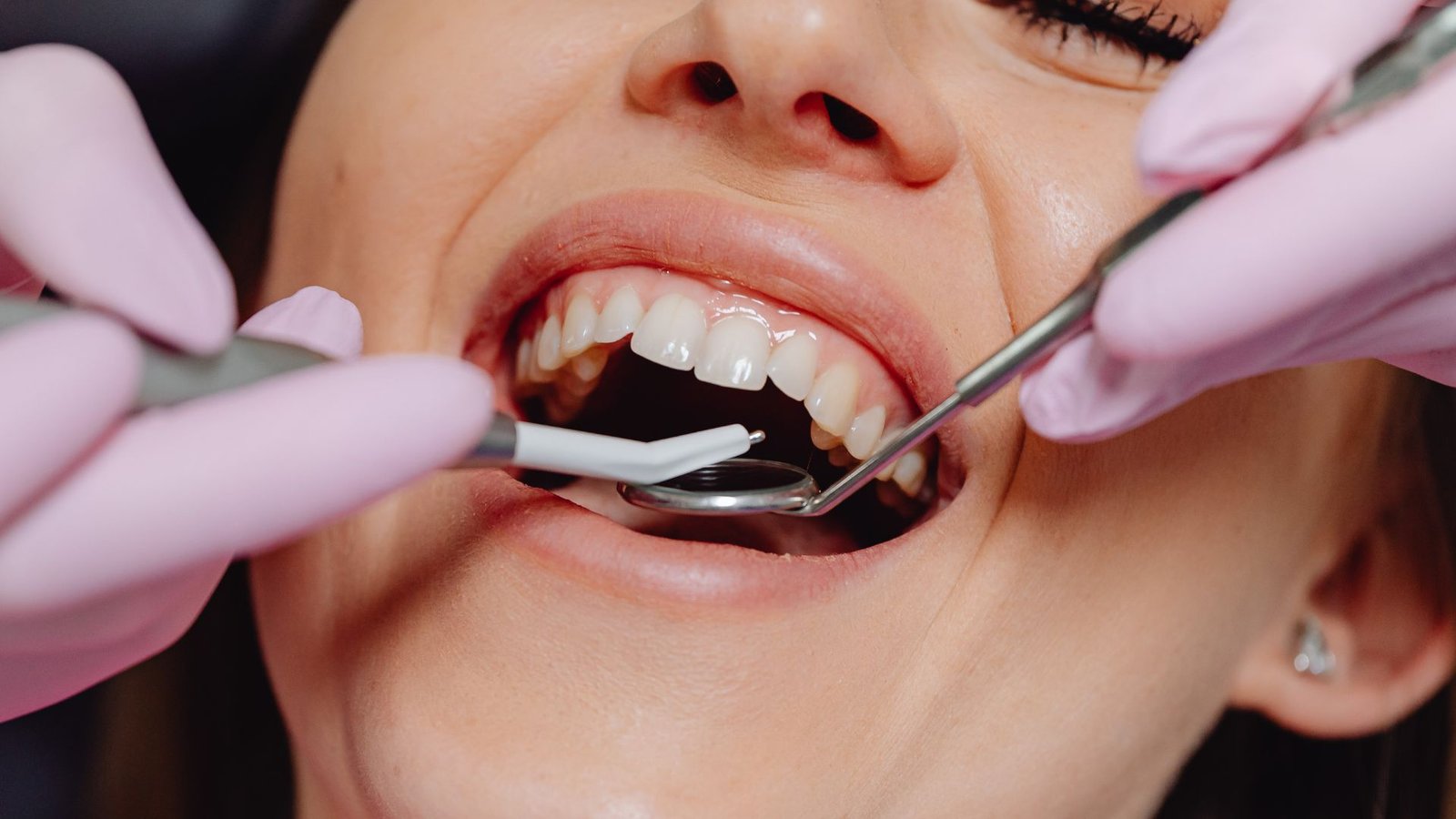
The anchor teeth are numbed while they are prepared, so the appointment itself is comfortable. Some sensitivity in those teeth afterwards is normal and settles within a couple of weeks.
Will it look natural?
Yes. Bridges are made from porcelain or ceramic shaded to match your surrounding teeth. The false tooth is contoured to sit against the gum so it appears to emerge from it rather than sitting on top.
Can a bridge replace more than one tooth?
Yes, though the longer the span the greater the load on the anchor teeth, and beyond a certain length a bridge is no longer advisable. For longer gaps, implants or a partial denture are usually the better answer.
Does insurance cover bridges?
Most plans cover bridges at a percentage, as they are functional restorations. Annual maximums frequently come into play with a bridge given the cost. We verify your coverage and provide a written estimate before starting.
Ready when you are
Book a restorative consultation
You will leave knowing what it costs and what your options are, in writing.